 FICCI
FICCI
Amidst rising input costs, manufacturing growth remains positive: FICCI Manufacturing Survey
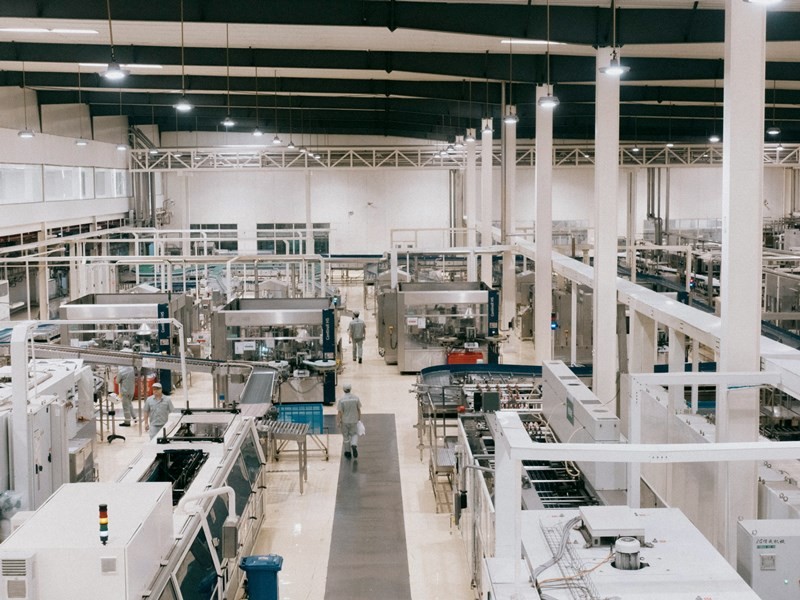
Amid rising input costs, India’s manufacturing sector continues to show resilience, with positive growth sentiment in Q4 of FY 2025–26, according to the latest survey by Federation of Indian Chambers of Commerce and Industry.
The survey, based on responses from both large and MSME manufacturers, reflects sustained optimism driven by strong domestic fundamentals. Compared to Q3 FY 2025–26—when 91% of respondents reported higher or stable production—around 93% indicated similar or improved production levels in Q4.
This optimism is also visible in demand trends, with 89% of respondents expecting higher or steady domestic orders in Q4 compared to the previous quarter.
Broad-Based Sectoral Assessment
The 69th edition of the survey evaluated performance across eight major sectors, including automotive and auto components, capital goods, chemicals, fertilizers and pharmaceuticals, electronics and electricals, machine tools, metals and metal products, and textiles and apparel.
The findings are based on inputs from manufacturing units across large and SME segments, with a combined annual turnover exceeding ₹8 lakh crore.
Capacity Utilisation & Investment Outlook
Capacity utilisation saw a marginal dip compared to the previous quarter, with average utilisation levels hovering around 72%. Despite this, the investment outlook remains stable over the next six months.
Key challenges to capacity expansion include geopolitical uncertainties (tariffs and trade restrictions), along with operational constraints such as labour availability, raw material shortages, and regulatory hurdles.
Inventory Trends
Inventory levels remain stable. While 89% of respondents reported higher or unchanged inventory levels in Q3, around 86% expect similar trends to continue in Q4.
Export Outlook
Export sentiment has improved, with nearly 80% of respondents expecting exports to remain stable or grow in Q4 FY 2025–26, up from 74% in the previous quarter.
Hiring Trends
Hiring sentiment has strengthened slightly, with 41% of respondents planning to expand their workforce over the next three months, compared to 38% in the previous quarter.
Interest Rates & Credit Availability
The average interest rate paid by manufacturers stands at 8.85%. Encouragingly, over 86% of respondents reported adequate access to funds from banks for both working capital and long-term needs.
Rising Production Costs
Cost pressures remain a concern. Around 70% of respondents reported an increase in production costs as a percentage of sales, up from 57% in the previous quarter.
This rise is primarily attributed to higher raw material prices, currency depreciation, and increased logistics, power, and utility costs.
Workforce Availability
While most sectors are not facing significant labour shortages—with 79% reporting adequate workforce availability—about 21% highlighted a shortage of skilled labour, underscoring the need for enhanced efforts by both government and industry.
Support Our Journalism
We cannot do without you.. your contribution supports unbiased journalism
IBNS is not driven by any ism- not wokeism, not racism, not skewed secularism, not hyper right-wing or left liberal ideals, nor by any hardline religious beliefs or hyper nationalism. We want to serve you good old objective news, as they are. We do not judge or preach. We let people decide for themselves. We only try to present factual and well-sourced news.
Support objective journalism for a small contribution.