

 Pandemic
Annual report: Pandemic recovery must be measured in ‘human rather than economic terms’
New Delhi: We must “commit” to building a more inclusive and sustainable world, the UN chief underscored in his annual report on the Work of the Organization, launched on Thursday.
In the Introduction, Secretary-General António Guterres said the international community should reflect on “our shared progress as well as…our vision and values”.
He highlighted some of the Organization’s accomplishments, such as putting in place vital agreements that codify and protect human rights, setting ambitious goals for sustainable development, and charting a path towards a more balanced relationship with the natural world, among many others.
However, he also outlined some challenges ahead, saying more remains to be done to “hold back the tides of fear, hatred, inequality, poverty and injustice.”
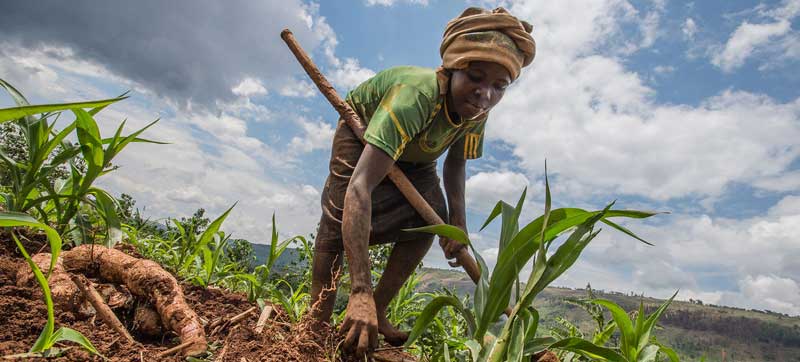
The COVID-19 pandemic has demonstrated the world’s fragility, laying bare “risks ignored for decades”, namely, inadequate health systems; gaps in social protection; structural inequalities; environmental degradation; and the climate crisis, flagged the UN chief.
In response, he noted that the UN family “mobilized quickly and comprehensively”, explaining that it led on the global health response, continued to expand life-saving humanitarian assistance, established rapid response instruments for the socioeconomic impact and laid out a broad policy agenda to support the most vulnerable communities and regions.
“But the setback to the fundamental Charter goals of peace, justice, human rights and development has been deep and may be long-lasting”, Mr. Guterres acknowledged.
A global effort
The UN chief also conceded that even before the pandemic, “the world was not on track to achieve the Sustainable Development Goals (SDGs) by the target date of 2030”.
And although the UN called for massive global support for the most vulnerable people and countries – amounting to least 10 per cent of the global economy – a rescue package has yet to fully materialize.
In emerging from the COVID-19 crisis, the Secretary-General stressed the importance of multilateralism for a world based on fair globalization, the rights and dignity of everyone, and for “success measured in human rather than economic terms”.
Support Our Journalism
We cannot do without you.. your contribution supports unbiased journalism
IBNS is not driven by any ism- not wokeism, not racism, not skewed secularism, not hyper right-wing or left liberal ideals, nor by any hardline religious beliefs or hyper nationalism. We want to serve you good old objective news, as they are. We do not judge or preach. We let people decide for themselves. We only try to present factual and well-sourced news.
Support objective journalism for a small contribution.