Digital payments in India more than double since 2021, cash transactions fall
New Delhi: Cash continues to account for 60% of consumer expenditure, though its share is steadily declining due to a post-Covid shift toward digital payments, as of March 2024, according to a study by a Reserve Bank of India (RBI) economist, reported The Economic Times.
The study revealed that the share of digital payments more than doubled, rising from 14-19% in March 2021 to 40-48% in March 2024.
Pradip Bhuyan, from the RBI’s department of currency management, stated, “A cash usage indicator (CUI) taking into account both physical and digital modes of payments indicates that cash usage remains significant but has been declining during the period under study.”
In his paper, Cash Usage Indicator for India, he analyzed consumer spending patterns from 2011-12 to 2023-24.
According to Bhuyan, the CUI—which measures the share of cash in private final consumption expenditure—dropped from 81-86% in the January-March 2021 period to 52-60% by January-March 2024.
He added, “CUI is a quarterly indicator and can facilitate currency management.”
Bhuyan also clarified that the opinions expressed in the paper are his own and do not necessarily reflect the views of the central bank.
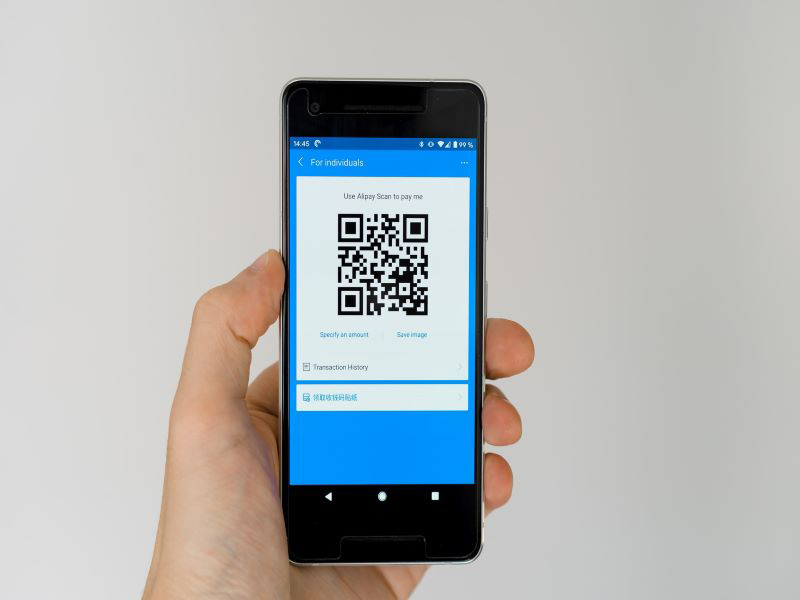
The report highlighted that the United Payments Interface (UPI), which was launched commercially during the 2016 demonetisation of Rs 500 and Rs 1,000 notes, only saw significant growth after the Covid-19 lockdown in 2020.
While UPI's average transaction size was Rs 3,872 in 2016-17, it dropped to Rs 1,525 in 2023-24, indicating its growing use for smaller-value purchases.
The study also noted that cash is still preferred for low-value transactions. However, the currency with the public (CWP) to Gross Domestic Product (GDP) ratio, which had peaked at 13.9% in 2020-21 following demonetisation, fell to 11.5% in 2023-24.
UPI’s share in person-to-merchant (P2M) transactions also grew significantly, rising from 33% in value terms in 2020-21 to 69% in 2023-24, while its volume share increased from 51% to 87% over the same period.
Bhuyan concluded that the drop in UPI’s average transaction size, the rise in P2M transactions, and the moderation in the CWP-to-GDP ratio in 2023-24 all indicate a clear shift from cash to UPI for smaller-value transactions.
Support Our Journalism
We cannot do without you.. your contribution supports unbiased journalism
IBNS is not driven by any ism- not wokeism, not racism, not skewed secularism, not hyper right-wing or left liberal ideals, nor by any hardline religious beliefs or hyper nationalism. We want to serve you good old objective news, as they are. We do not judge or preach. We let people decide for themselves. We only try to present factual and well-sourced news.
Support objective journalism for a small contribution.