Extreme poverty in India drops to 5.3% in 2022-23 from 27.1% in 2011-12: World Bank
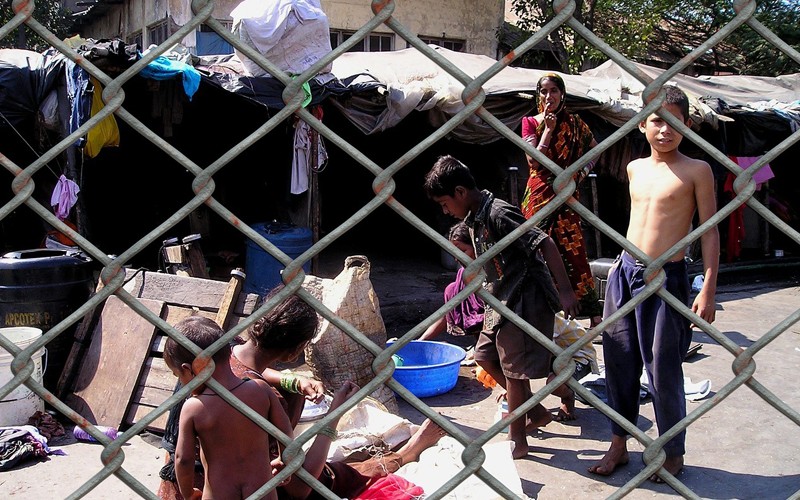
New Delhi: In a remarkable shift over the last decade, India’s extreme poverty rate has declined dramatically—from 27.1% in 2011-12 to 5.3% in 2022-23, according to latest World Bank data.
The fall translates to 269 million people moving out of extreme poverty in the span of about 11 years.
The total number of people living in extreme poverty in India fell from 344.47 million in 2011-12 to 75.24 million in 2022-23.
The World Bank noted this change as a significant accomplishment, especially under the tenure of Prime Minister Narendra Modi’s government.
The findings are based on the revised global poverty line, now set at USD 3 per day (2021 PPP), up from USD 2.15, to reflect India’s inflation trends between 2017 and 2021. Based on this new benchmark, the poverty rate for 2022-23 stands at 5.3%.
Further, as of 2024, 54.7 million people in India were estimated to be living on less than USD 3 a day, which puts the poverty rate at 5.44%.
The five most populous states—Uttar Pradesh, Maharashtra, Bihar, West Bengal, and Madhya Pradesh—accounted for 65% of India’s extreme poor in 2011-12, but were responsible for two-thirds of the reduction in poverty by 2022-23.
According to the World Bank’s 'Poverty & Equity Brief' published in April, extreme poverty (under USD 2.15) dropped from 16.2% in 2011-12 to 2.3% in 2022-23, lifting 171 million people above this line.
The poverty rate at the lower-middle-income country (LMIC) line also fell by 33.7 percentage points.
The brief highlighted the role of free and subsidised food schemes in accelerating poverty reduction.
It also noted that the rural-urban poverty gap narrowed significantly, from 7.7 percentage points to 1.7, with rural extreme poverty dropping from 18.4% to 2.8%, and urban from 10.7% to 1.1%, marking an average 16% annual decline.
On the economic front, the World Bank said India’s real GDP in FY25 remained about 5% below pre-pandemic trend levels, though it expects growth to gradually return to potential by FY28, assuming a stable global environment.
However, it cautioned that risks remain, particularly if global policy shifts or trade tensions escalate, potentially affecting exports and delaying investment recovery.
The current account deficit is expected to average 1.2% of GDP over FY26-28, with foreign exchange reserves remaining stable at around 16% of GDP.
Support Our Journalism
We cannot do without you.. your contribution supports unbiased journalism
IBNS is not driven by any ism- not wokeism, not racism, not skewed secularism, not hyper right-wing or left liberal ideals, nor by any hardline religious beliefs or hyper nationalism. We want to serve you good old objective news, as they are. We do not judge or preach. We let people decide for themselves. We only try to present factual and well-sourced news.
Support objective journalism for a small contribution.