 Power Sector
India's power generation and transmission sectors expected to grow 2.2 times by FY2030: Report
New Delhi/IBNS: India's power generation and transmission sectors are set for substantial growth in the coming years, according to a recent report by Jefferies, an American multinational independent investment bank and financial services company.
The report forecasts that these sectors will expand 2.2 times, reaching $280 billion between FY24 and FY30, compared to the period from FY17-23.
To support the economy's rapid expansion, power consumption is projected to increase by over 7 percent annually.
By FY30, the country’s total power generation capacity will need to increase from 442 GW in FY24 to 673 GW to avoid shortages.
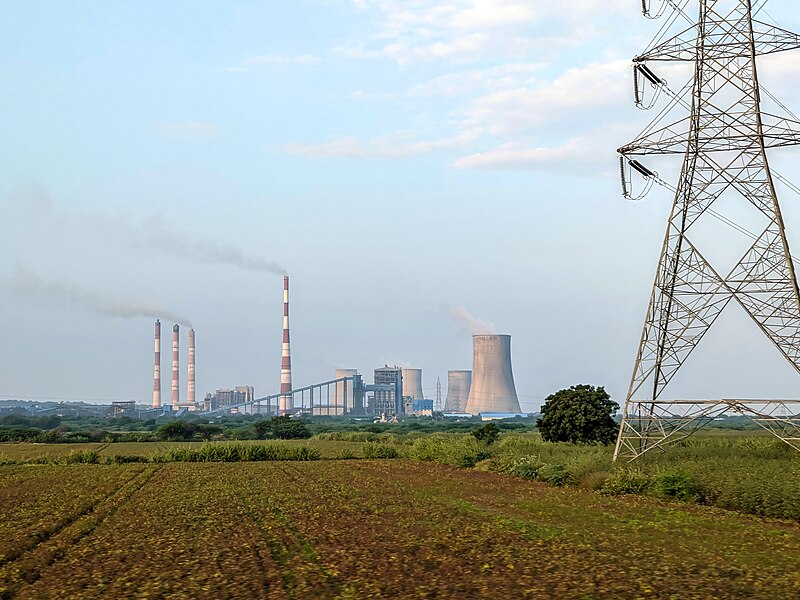
Thermal power plants, currently operating at 65-70 percent of their capacity, will be crucial in meeting this demand.
The average annual plant load factor (PLF) for these plants is expected to surpass peak levels seen in FY08 by FY28, with current PLF rates already at 74 percent for FY25.
The report also notes that peak power deficits are becoming more frequent due to years of underinvestment in the sector.
To prevent regular shortages, there will be a strong emphasis on accelerating capacity additions and investing in power transmission and distribution (T&D) infrastructure, as per the report.
Capacity additions are projected to rise significantly, particularly in thermal power, with the annual addition rate expected to increase from the current 2-5 GW to 17 GW.
Renewable energy capacity will also see rapid growth, with annual additions expected to increase 3.5 times between FY24 and FY27 compared to FY10-20.
The Jefferies report noted that India aims to achieve 450 GW of renewable energy by 2030.
The power transmission sector is poised for major expansion as well, with the bid pipeline growing seven-fold over the past three years, from less than Rs 150 billion in February 2021 to Rs 1 trillion in current projects.
This rapid growth is driven by the government's focus on increasing renewable energy capacity and the rising demand for storage, green hydrogen, data centers, and electric vehicle infrastructure.
Support Our Journalism
We cannot do without you.. your contribution supports unbiased journalism
IBNS is not driven by any ism- not wokeism, not racism, not skewed secularism, not hyper right-wing or left liberal ideals, nor by any hardline religious beliefs or hyper nationalism. We want to serve you good old objective news, as they are. We do not judge or preach. We let people decide for themselves. We only try to present factual and well-sourced news.
Support objective journalism for a small contribution.