 RBI
RBI
Not against privatisation of PSBs, research article supports govt's gradual approach: RBI's clarification on article
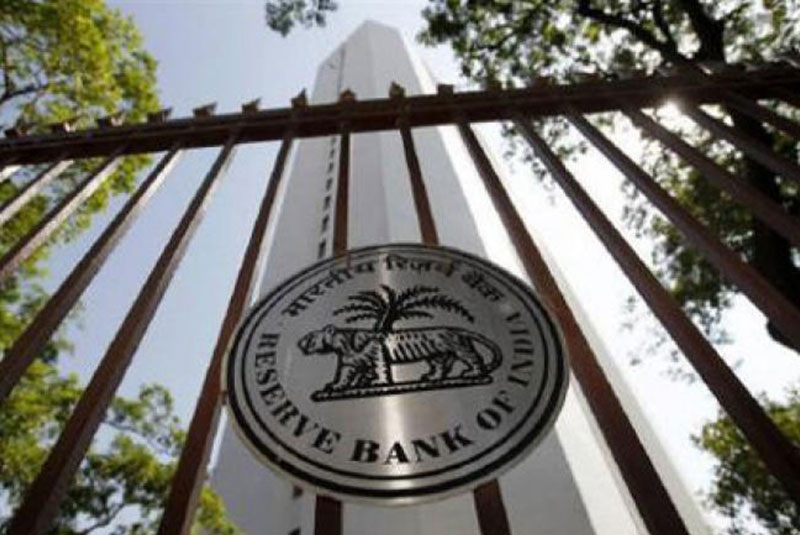
Mumbai: The Reserve Bank of India (RBI) has issued a clarification over a bulleting article written by its researchers that said "a big bang approach to privatise them will do more harm than good" given the important role played by them in financial inclusion.
"This is regarding reports in certain sections of the media stating that the RBI is against privatisation of Public Sector Banks (PSBs). These media reports have cited an article titled “Privatisation of Public Sector Banks: An Alternate Perspective” published in the August 2022 issue of RBI Bulletin," RBI stated.
As clearly stated in the article itself, the views expressed in the article are those of the authors and do not represent the views of the Reserve Bank of India, the Central bank said.
The article had emphaisied that India's state-run banks have performed better than their private counterparts in terms of financial inclusion and gained market confidence in the last few years.
"Public sector banks are not entirely guided by the profit maximization goal alone and have integrated the desirable financial inclusion goals in their objective function unlike PVBs (private banks)," the article had stated.
“A big bang approach of privatisation of these banks may do more harm than good. The government has already announced its intention to privatize two banks. Such a gradual approach would ensure that large scale privatisation does not create a void in fulfilling important social objectives of financial inclusion and monetary transmission,” it read.
The Press Release relating to the August 2022 Bulletin highlights that “the gradual approach to privatisation adopted by the government can ensure that a void is not created in fulfilling the social objective of financial inclusion,” RBI said on Friday in its clarification.
From the conventional perspective, that privatisation is a panacea for all ills, economic thinking has come a long way to acknowledge that a more nuanced approach is required while pursuing it, the article had stated, RBI pointed out in today's communique.
“Recent mega-merger of PSBs has resulted in consolidation of the sector, creating stronger and more robust and competitive banks," the article stated, added the clarification.
"Thus, the researchers are of the view that instead of a big bang approach, a gradual approach as announced by the government would result in better outcomes," RBI pointed out.
Support Our Journalism
We cannot do without you.. your contribution supports unbiased journalism
IBNS is not driven by any ism- not wokeism, not racism, not skewed secularism, not hyper right-wing or left liberal ideals, nor by any hardline religious beliefs or hyper nationalism. We want to serve you good old objective news, as they are. We do not judge or preach. We let people decide for themselves. We only try to present factual and well-sourced news.
Support objective journalism for a small contribution.