 FLDG
FLDG
RBI approves First Loss Default Guarantee program between fintechs and partner banks, NBFCs
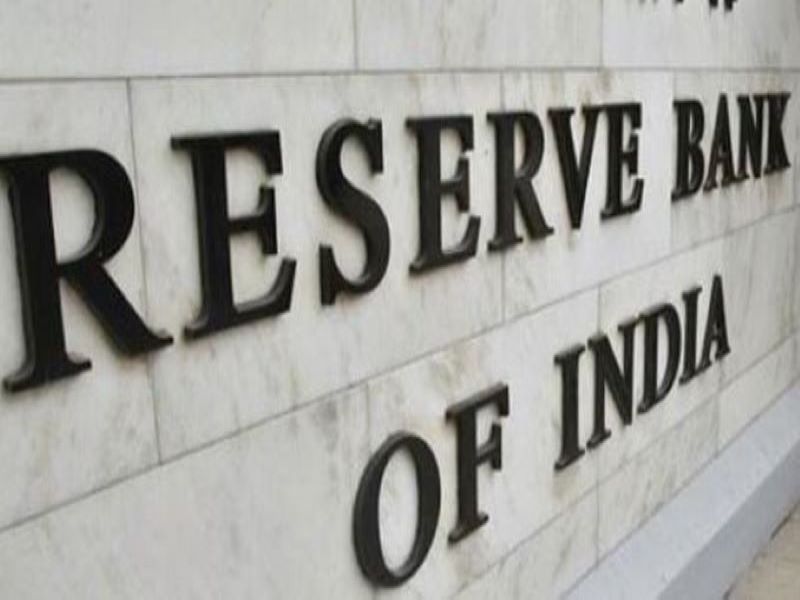
Mumbai: The Reserve Bank of India (RBI) has given its approval to the First Loss Default Guarantee (FLDG) program, media reports said.
This program establishes a lending model between fintech firms and their partner banks or non-banking finance companies.
Under this model, in the event of a default, the fintech firm that originated the loan bears the initial financial loss.
According to the RBI, banks and non-banking financial companies (NBFCs) must observe a cooling-off period before extending further loans to borrowers who have reached compromise settlements.
The Central bank has stipulated a minimum cooling-off period of 12 months for non-farm credit.
As for farm credit, the duration of the cooling-off period will be determined by the lender's board and subject to their approval.
The RBI has stated that lenders have the authority to engage in compromise settlements for loan accounts classified as fraud or belonging to wilful defaulters. In such settlements, a compromise is reached between the lender and the borrower, wherein the lender's claim is fully settled in cash.
In addition, the RBI has introduced a regulatory framework for default loss guarantee (DLG) for digital lenders. This framework has been formulated after evaluating the first loss default guarantee (FLDG) mechanism.
The RBI has permitted regulated entities to establish default loss guarantee arrangements, subject to certain limitations. These arrangements can provide a default cover for a maximum of 5% of the entity's loan portfolio.
Additionally, the central bank has specified that lenders must invoke the default loss guarantee (DLG) and initiate loan restructuring within a maximum period of 120 days from the due date of payment.
The RBI has stated that the regulated entities will be accountable for recognizing individual loan assets in their portfolio as non-performing assets (NPAs) and making the necessary provisions accordingly.
It is worth noting that in guidelines issued in 2022, the RBI had expressed its reservation regarding such arrangements as they could potentially incentivize lenders to undertake excessive risk.
Support Our Journalism
We cannot do without you.. your contribution supports unbiased journalism
IBNS is not driven by any ism- not wokeism, not racism, not skewed secularism, not hyper right-wing or left liberal ideals, nor by any hardline religious beliefs or hyper nationalism. We want to serve you good old objective news, as they are. We do not judge or preach. We let people decide for themselves. We only try to present factual and well-sourced news.
Support objective journalism for a small contribution.