 RBI
RBI
RBI flags concerns over rising delinquency in unsecured lending, calls for stricter vigilance
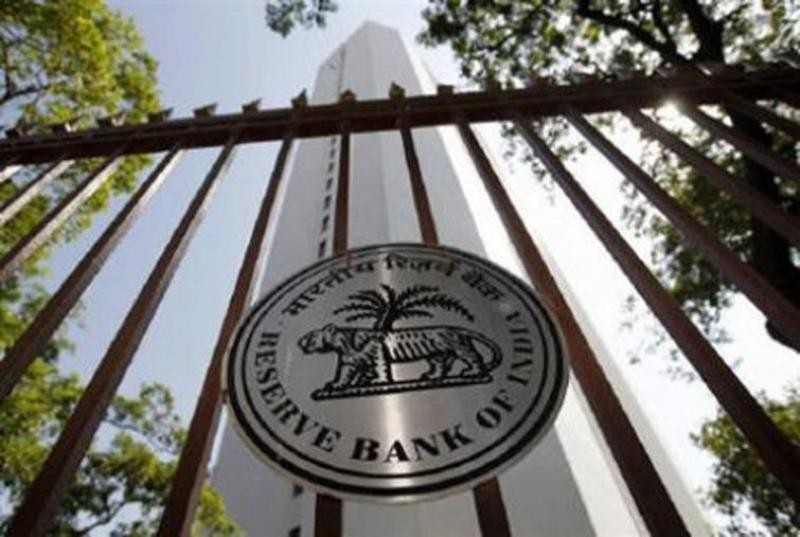
Mumbai/IBNS: The Reserve Bank of India (RBI) has raised concerns about increasing delinquency and leverage in unsecured loans, urging heightened vigilance despite a slowdown in credit growth.
In its "Trends and Progress of Banking in India 2023-24" report, the RBI also emphasised the need for closer scrutiny of the connections between lenders and private credit firms.
The Gross Non-Performing Assets (GNPA) ratio for banks continued its downward trend, reaching a 13-year low of 2.7 percent in March 2024 and further declining to 2.5 percent by the end of September.
Banks also saw a rise in profitability for the sixth consecutive year in 2023-24, with Return on Assets (RoA) at 1.4 percent and Return on Equity (RoE) at 14.6 percent in the first half of 2024-25.
Unsecured loans, as a share of total credit, have steadily increased since March 2015, peaking at 25.5 percent in March 2023 before slightly easing to 25.3 percent by March 2024.
In response, the RBI implemented stricter guidelines in November 2024, raising risk weights for unsecured loans and mandating that bank and non-banking financial company (NBFC) boards establish exposure limits.
The RBI noted, however, that some entities have set excessively high exposure ceilings, requiring continuous monitoring.
The regulator emphasised the importance of prudence among regulated entities to ensure financial stability and avoid systemic risks.
Top-up loans also raised concerns, with the RBI highlighting that these loans are often approved with minimal due diligence and relaxed underwriting standards.
Instances of non-compliance with loan-to-value (LTV) ratios, risk weights, and monitoring of fund usage were found, increasing the potential for risks, especially when collateral values fluctuate or face downturns.
The RBI mandated that banks treat top-up loans as unsecured and may tighten regulations further if necessary.
Gold loans also came under scrutiny, with the RBI pointing out several irregularities in loans against gold ornaments and jewellery.
It has called for enhanced monitoring of gold loan portfolios and better oversight of third-party service providers.
The RBI also called for a deeper investigation into the private credit market, noting that while these firms remain small, their connections to banks and NBFCs could pose systemic risks, including regulatory arbitrage.
In the broader retail loan market, the GNPA ratio stood at 1.2 percent as of September 2024, the lowest among sectors, while agriculture had the highest GNPA at 6.2 percent.
Education loans saw significant improvement, with GNPA ratios falling from 5.8 percent in March 2023 to 3.6 percent in March 2024 and further to 2.7 percent by September 2024.
Despite this improvement, education loans still had the highest NPA levels among retail segments, followed by credit card receivables and consumer durables.
Support Our Journalism
We cannot do without you.. your contribution supports unbiased journalism
IBNS is not driven by any ism- not wokeism, not racism, not skewed secularism, not hyper right-wing or left liberal ideals, nor by any hardline religious beliefs or hyper nationalism. We want to serve you good old objective news, as they are. We do not judge or preach. We let people decide for themselves. We only try to present factual and well-sourced news.
Support objective journalism for a small contribution.