Union Budget 2025: Laxman Jaiswal calls depreciating rupee, declining stock market as critical challenges faced by Indian economy
Laxman Jaiswal on Government Fiscal Policies: Addressing Rupee Depreciation and Shrinking Market Investments
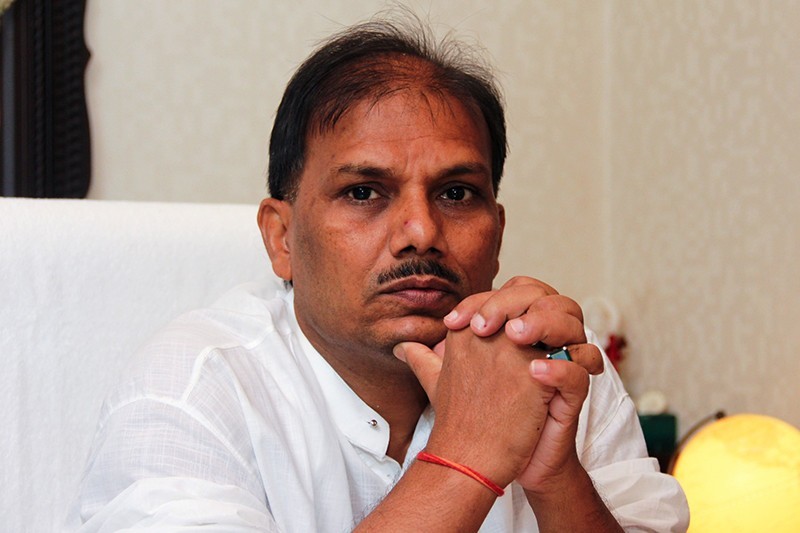
Eastern India’s leading Infra and e-commerce start-up founder, Laxman Jaiswal, has said the Indian economy is facing critical challenges such as the depreciating rupee and the erosion of shareholder wealth in a declining stock market ahead of the Union Budget which will be presented next month.
"These interconnected issues, if left unaddressed, could undermine investor confidence, economic stability, and financial security for millions," he said.
"The persistent depreciation of the rupee against major global currencies poses significant economic risks. External factors like geopolitical tensions, fluctuating oil prices, and global interest rate hikes have compounded domestic vulnerabilities, leading to higher import costs and inflation," he said.
To counter this, Jaiswal suggests a multifaceted approach that includes stringent monetary policies, boosting export-oriented industries, and encouraging foreign direct investment (FDI).
"Simplified policies and bilateral trade agreements, particularly those that promote transactions in local currencies, can reduce dependence on the US dollar and strengthen the rupee," he said.
He also advocated fiscal discipline in the Union Budget through rationalized subsidies, enhanced tax compliance, and curbing non-essential expenditures.
"Leveraging technology for real-time forex monitoring and actively managing forex reserves are additional measures to stabilize the currency," he said.
Simultaneously, the equity market has seen significant volatility, with declining market capitalization eroding the wealth of retail investors who form the backbone of India’s investment ecosystem.
To address this, Jaiswal emphasizes the need for measures that restore investor confidence, such as transparent policy communication and reassessing capital gains and dividend tax structures.
Tax benefits for systematic investment plans (SIPs) and equity-linked savings schemes (ELSS) could incentivize small investors, while encouraging institutional participation and supporting SME listings would deepen market stability and diversification.
Digital infrastructure improvements are crucial to enhance trading experiences, especially for rural investors.
Strengthening market regulations to prevent insider trading and other malpractices will build trust, while sectoral growth strategies targeting technology, renewable energy, and infrastructure can spur economic and market performance.
Jaiswal stresses that these issues are interlinked—a weak rupee can deter foreign investments, worsening stock market conditions, while a declining market diminishes the appeal of Indian assets, pressuring the rupee further.
A synchronized policy framework that addresses immediate concerns and implements long-term structural reforms is essential.
Expectations from the Union Budget include a comprehensive economic revival plan emphasizing export growth, domestic manufacturing, and job creation. Increased public investment in infrastructure and technology, alongside reforms to strengthen the banking sector, will foster economic resilience.
Allocating resources for startups and innovation can attract global investors, benefiting both the rupee and the stock market.
Lastly, Jaiswal recommends mechanisms like insurance for small investors to safeguard against losses during market downturns, ensuring continued participation.
Jaiswal believes India stands at a pivotal moment where proactive measures can transform challenges into opportunities.
"With decisive leadership and visionary policies, we can navigate these challenges and emerge stronger," he asserts, urging the government to leverage the Budget as a platform for transformative reforms that secure financial prosperity for all.
Support Our Journalism
We cannot do without you.. your contribution supports unbiased journalism
IBNS is not driven by any ism- not wokeism, not racism, not skewed secularism, not hyper right-wing or left liberal ideals, nor by any hardline religious beliefs or hyper nationalism. We want to serve you good old objective news, as they are. We do not judge or preach. We let people decide for themselves. We only try to present factual and well-sourced news.
Support objective journalism for a small contribution.