


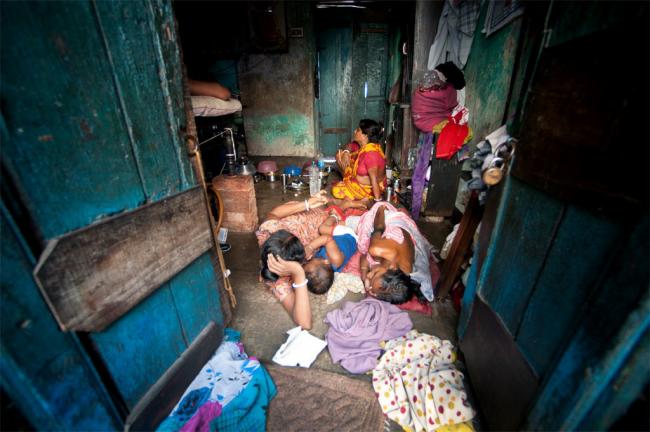
Better housing means better health and well-being, stress new WHO guidelines
New York, Nov 28 (IBNS): The World Health Organization (WHO) issued new guidelines on Tuesday, highlighting that better homes, invariably lead to better standards of health and overall well-being.
“Housing is becoming increasingly important to health in light of urban growth, ageing populations and climate change”, say the new guidelines.
Studies have shown that poor housing has implications for a wide range of health conditions, including respiratory, cardiovascular and infectious diseases such as asthma, tuberculosis, influenza and diarrhoea, as well as mental health.
Developed based on systematic reviews, the WHO Housing and Health Guidelines provide recommendations based on the health issues caused by inadequate living space, extreme indoor temperatures, injury hazards in the home, and the accessibility of housing for people with disabilities or who face other impairments.
In addition, the guidelines identify and summarize existing WHO recommendations related to housing, with respect to water quality, air quality, neighbourhood noise, asbestos, lead, tobacco smoke, and indoor radon emissions – a radioactive gas that is linked to cancer deaths.
Housing, health and climate change
The WHO guidelines also highlight the significant co-benefits of improving housing conditions. For example, installing efficient and safe thermal insulation can improve indoor temperatures that support health, while also lowering energy costs and reducing carbon emissions.
“Improved housing conditions can save lives, reduce disease, increase quality of life, reduce poverty, and help mitigate climate change,” highlighted WHO, noting also that these can contribute towards the attainment of Sustainable Development Goals (SDGs) related to health (Goal 3) and sustainable cities (Goal 11)
“Housing is therefore a major entry point” for “public health programmes and primary prevention,” it highlighted.
Support Our Journalism
We cannot do without you.. your contribution supports unbiased journalism
IBNS is not driven by any ism- not wokeism, not racism, not skewed secularism, not hyper right-wing or left liberal ideals, nor by any hardline religious beliefs or hyper nationalism. We want to serve you good old objective news, as they are. We do not judge or preach. We let people decide for themselves. We only try to present factual and well-sourced news.
Support objective journalism for a small contribution.


