


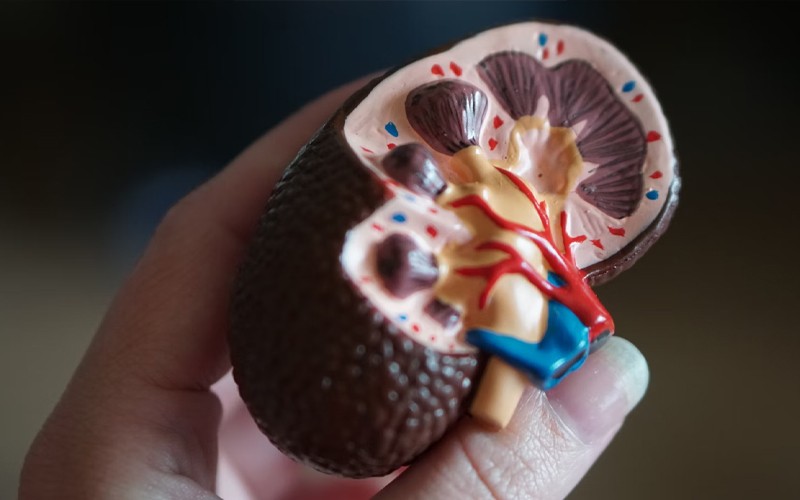
 Kidney
Detect Early, Protect Kidney Health
Kidney health is an often-overlooked aspect of overall well-being, yet it plays a crucial role in maintaining the body's homeostasis. The kidneys are responsible for filtering waste products from the blood, regulating fluid and electrolyte balance, and managing blood pressure.
Given their vital functions, early detection of kidney issues and proactive protection of kidney health is essential for preventing chronic kidney disease (CKD) and its complications.
The Importance of Early Detection
Early detection of kidney problems is critical because the kidneys can often compensate for lost function until a significant portion is damaged. Regular screening, especially for individuals at higher risk such as those with diabetes, hypertension, or a family history of kidney disease, can lead to earlier diagnosis and intervention.
Simple tests, such as blood tests for serum creatinine and urine tests for proteinuria, are effective in identifying potential kidney dysfunction.
Moreover, awareness of symptoms such as fatigue, swelling, changes in urine output, and high blood pressure can prompt timely medical evaluation. Early detection allows healthcare providers to implement lifestyle modifications, pharmacological therapies, and regular monitoring, ultimately delaying the progression of kidney disease.
Protecting Kidney Health
Protecting kidney health involves adopting a multifaceted approach centered around lifestyle choices and medical management. Here are some key strategies:
1. Healthy Diet: A balanced diet low in sodium, processed foods, and excessive protein can mitigate kidney stress. Foods rich in antioxidants, such as fruits and vegetables, can also support kidney function.
2. Hydration: Staying adequately hydrated helps the kidneys filter waste and toxins effectively. However, individuals with existing kidney conditions should consult healthcare providers about their optimal fluid intake.
3. Regular Exercise: Engaging in regular physical activity helps maintain a healthy weight and manage conditions like diabetes and hypertension, which are risk factors for CKD.
4. Avoiding Nephrotoxins: Limiting the use of non-steroidal anti-inflammatory drugs (NSAIDs) and avoiding recreational drugs can protect against kidney damage.
5. Routine Check-ups: Regular medical check-ups to monitor blood pressure, blood sugar levels, and kidney function help in early identification of potential problems.
6. Education and Awareness: Knowledge about kidney health and disease can empower individuals to make informed choices and seek medical advice when necessary.
In conclusion, the key to protecting kidney health lies in the combination of early detection and proactive management. By understanding the importance of kidney function and being vigilant about risks, individuals can take meaningful steps toward preserving their kidney health. Investing in a healthy lifestyle and fostering awareness within communities can lead to better health outcomes and a reduced burden of kidney disease on society.
Ultimately, prioritizing kidney health is a crucial component of overall wellness, ensuring that this vital organ can continue to perform its essential functions throughout life.

(Dr. Saubhik Sural is Clinical Director, Department of Nephrology, Peerless Hospital, Kolkata)
Support Our Journalism
We cannot do without you.. your contribution supports unbiased journalism
IBNS is not driven by any ism- not wokeism, not racism, not skewed secularism, not hyper right-wing or left liberal ideals, nor by any hardline religious beliefs or hyper nationalism. We want to serve you good old objective news, as they are. We do not judge or preach. We let people decide for themselves. We only try to present factual and well-sourced news.
Support objective journalism for a small contribution.


