


 Cancer
Doctor warns this everyday food habit could raise your colon cancer risk
A physician has highlighted a dietary habit that may be associated with an increased risk of colorectal cancer amid growing concern over rising cases of the disease among younger adults.
Internal medicine specialist Dr Priyam Bordoloi wrote on X that ultra-processed meats remain a major food-related risk factor associated with colorectal cancer.
"Rates of colon cancer in young adults are skyrocketing globally. Science points to one massive DIETARY culprit driving this deadly trend," he wrote.
THE ANSWER: D) You breathe it out.
— Dr. Priyam Bordoloi (@DocPriyamMD) July 11, 2026
If you guessed A, don't feel bad. A famous 2014 study published in the British Medical Journal showed that 98% of doctors, dietitians and personal trainers get this exact question wrong!
Most people think fat is burned into pure energy or…
"THE ANSWER: B) Ultra-processed meats," he added, using his distinctive question-and-answer format to raise awareness.
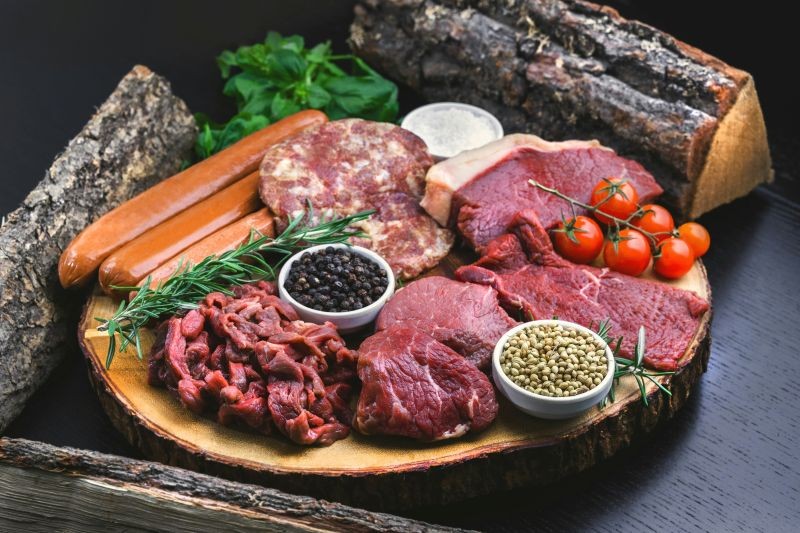
He said the World Health Organization (WHO) classifies processed meats, including bacon, hot dogs and salami, as Group 1 carcinogens, meaning there is sufficient evidence that they can cause cancer in humans.
Encouraging people to increase their intake of high-fibre, minimally processed foods, he wrote: "Risk is dose-dependent (~18% increase per 50g daily). A rare hot dog is fine... but daily deli meat is playing with fire. Swap the processed junk for high-fiber, real food!"
According to the Cancer Research Institute, one in five colorectal cancer diagnoses occurs in someone under the age of 55, while the disease has emerged as a major cause of cancer-related deaths among younger people.
In the United States, colon and rectal cancers — collectively known as colorectal cancer (CRC) — are among the most commonly diagnosed cancers and leading causes of cancer-related deaths.
The American Cancer Society estimates that approximately 108,860 new cases of colon cancer will be diagnosed in the US in 2026, along with 49,990 new cases of rectal cancer. It also estimates about 55,230 deaths from colorectal cancer during the year.
The lifetime risk is also significant, with about one in 25 men and one in 26 women expected to develop colorectal cancer.
Of particular concern is the rise in colorectal cancer among younger adults. Once considered primarily a disease affecting older people, incidence rates have been increasing among adults under 50 even as overall rates have declined in some older age groups.
What is colon cancer?
According to the Mayo Clinic, colon cancer is a growth of cells that begins in the colon, a part of the large intestine.
Although colon cancer typically affects older adults, it can occur at any age. It often begins as small clumps of cells called polyps that form inside the colon. Polyps are generally not cancerous, but some can develop into colon cancer over time.
Symptoms of colon cancer
Many people with colon cancer do not experience symptoms in the early stages. When symptoms do appear, they can vary depending on the size and location of the cancer.
Common symptoms may include:
Changes in bowel habits, such as more frequent diarrhoea or constipation
Rectal bleeding or blood in the stool
Persistent abdominal discomfort, including cramps, gas or pain
A feeling that the bowel does not empty completely after a bowel movement
Weakness or fatigue
Unexplained weight loss
Support Our Journalism
We cannot do without you.. your contribution supports unbiased journalism
IBNS is not driven by any ism- not wokeism, not racism, not skewed secularism, not hyper right-wing or left liberal ideals, nor by any hardline religious beliefs or hyper nationalism. We want to serve you good old objective news, as they are. We do not judge or preach. We let people decide for themselves. We only try to present factual and well-sourced news.
Support objective journalism for a small contribution.


