


 DR Congo
DR Congo: New initiative to eliminate HIV in children ‘a beacon of hope’, says UN
The Democratic Republic of the Congo (DRC) has launched a bold new national initiative aimed at eliminating AIDS among children by 2030 – a move hailed by the United Nations as “a beacon of hope” amid growing global funding constraints.
“Our country can no longer tolerate children being born and growing up with HIV, when tools exist to prevent, detect and effectively treat this infection,” President Félix Tshisekedi declared at a recent government conference in the south-eastern Lualaba province, as he launched the five-year initiative.
Backed by an initial commitment of $18 million in national funds, the Presidential Initiative to End Pediatric AIDS will focus on political leadership, systems strengthening and inclusive healthcare access particularly for children, adolescents, and pregnant women.
It also aligns well with DRC’s global commitments under the Sustainable Development Goal 3 (SDG 3) to ensure healthy lives and promote well-being for all.
Children lagging behind
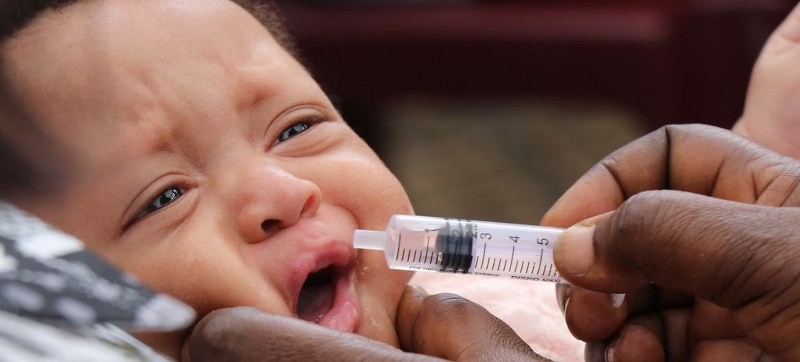
The initiative marks a renewed commitment by the DRC to address children’s extremely limited access to HIV prevention and treatment services.
While the DRC has made notable strides in adult HIV response – 91 per cent of adults living with HIV now have access to antiretroviral treatment – children continue to lag far behind.
Only 44 per cent of children living with HIV in the country currently receive lifesaving treatment, a figure that has remained unchanged for over a decade.
Every year, thousands of Congolese children are still infected, often due to a lack of screening among pregnant women, depriving the health system of a crucial opportunity to prevent mother-to-child transmission as well as saving the mother’s live.
“The eradication of paediatric AIDS is a moral imperative, an imperative of social justice and an indicator of dignity,” Mr. Tshisekedi said.
Four core priorities
The Presidential Initiative targets four core areas:
Improving early detection and treatment of HIV for children, adolescents and pregnant women
Preventing new infections in children, adolescents and mothers
Guarantee systematic and immediate treatment for those diagnosed
Remove structural barriers hindering young people’s access to health services
A breath of fresh air
The UN Joint Programme on HIV/AIDS (UNAIDS) praised the initiative as an example of the national leadership needed to close critical gaps in global HIV response.
Susan Kasedde, UNAIDS Country Director in the DRC, commended the initiative as “a breath of fresh air” at a time when global development financing is under strain.
“At a time when development financing is experiencing turbulence and risk jeopardizing the systems that support the most vulnerable, President Tshisekedi’s leadership initiative is a beacon of hope,” she said.
According to UNAIDS, recent funding cuts are threatening critical HIV services, with stock of medication and condoms feared to run out within months. Key areas like antenatal testing, paediatric treatment and data quality monitoring have also been impacted
Support Our Journalism
We cannot do without you.. your contribution supports unbiased journalism
IBNS is not driven by any ism- not wokeism, not racism, not skewed secularism, not hyper right-wing or left liberal ideals, nor by any hardline religious beliefs or hyper nationalism. We want to serve you good old objective news, as they are. We do not judge or preach. We let people decide for themselves. We only try to present factual and well-sourced news.
Support objective journalism for a small contribution.


