


 Polio
Polio
‘Emergency action’ needed to prevent major polio, measles epidemics
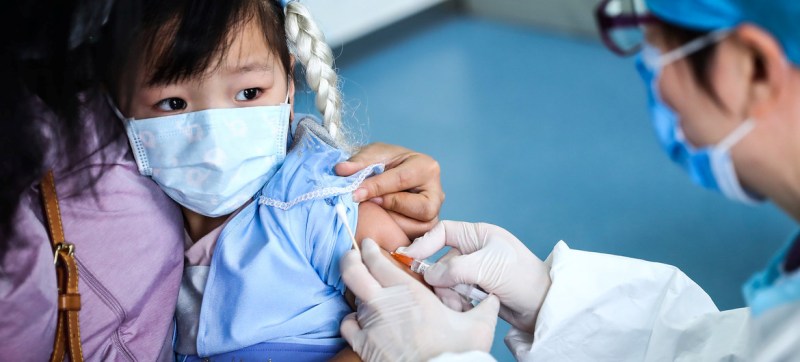
New York: Globally, millions of children are at a heightened risk of polio and measles – dangerous but preventable diseases – amid disruptions to vital immunization programmes due to the coronavirus pandemic, UN Children’s Fund (UNICEF) and World Health Organization (WHO) have said.
According to the two UN agencies, immunization rates in some countries have fallen by as much as 50 per cent, with people unable to access health services because of lockdown and transport disruptions, or unwillingness due to fear of contracting COVID-19.
Polio and measles vaccination campaigns, designed to fill gaps in essential services, also had to be paused to prevent possible infection of health workers and communities, while protection measures were put in place.
“COVID-19 has had a devastating effect on health services and in particular immunization services, worldwide,” said Tedros Adhanom Ghebreyesus, Director-General of WHO.
“But unlike with COVID, we have the tools and knowledge to stop diseases such as polio and measles. What we need are the resources and commitments to put these tools and knowledge into action,” he added.
“If we do that, children’s lives will be saved.”
‘Urgent call to action’
UNICEF and WHO estimate that about $655 million are needed to address dangerous immunity gaps in middle-income countries, which are not eligible for Gavi assistance. Of that figure, $400 million are needed to support polio outbreak response over 2020-2021, and $255 million to prepare for, prevent and respond to measles outbreaks over the next three years.
Issuing an urgent call to action, the two UN agencies warned that if left unchecked, the situation posed an “increasingly high risk of explosive outbreaks and potentially further international spread of both polio and measles.”
Henrietta Fore, Executive Director of UNICEF, said that the world “cannot allow” the fight against one deadly disease – COVID-19 – to impact the fight against other diseases.
“Addressing the global COVID-19 pandemic is critical. However, other deadly diseases also threaten the lives of millions of children in some of the poorest areas of the world. That is why today we are urgently calling for global action from country leaders, donors and partners,” she said.
“We need additional financial resources to safely resume vaccination campaigns and prioritize immunization systems that are critical to protect children and avert other epidemics besides COVID-19.”
Respond to emerging outbreaks
WHO and UNICEF also called on countries to respond urgently to emerging disease outbreaks, prioritize immunization in national budgets and strengthen collaboration with partners for increased synergies.
They also noted that new tools, including a next-generation novel oral polio vaccine and a forthcoming Measles Outbreak Strategic Response Plan are expected to be deployed over the coming months to help tackle these growing threats in a more effective and sustainable manner, and ultimately save lives.
Support Our Journalism
We cannot do without you.. your contribution supports unbiased journalism
IBNS is not driven by any ism- not wokeism, not racism, not skewed secularism, not hyper right-wing or left liberal ideals, nor by any hardline religious beliefs or hyper nationalism. We want to serve you good old objective news, as they are. We do not judge or preach. We let people decide for themselves. We only try to present factual and well-sourced news.
Support objective journalism for a small contribution.


