 Extreme Weather
Extreme weather highlights need for greater climate action
New York: Scorching temperatures are engulfing large parts of the Northern hemisphere, while devastating floods triggered by relentless rainfall have disrupted lives and livelihoods, underscoring the urgent need for more climate action, the UN World Meteorological Organization (WMO) said on Friday.
According to the UN weather agency, June witnessed the warmest global average temperature on record, and heatwaves have persisted into early July. Torrential rains and floods have resulted in dozens of fatalities and affected millions in the United States, Japan, China and India.
WMO
‘New normal’
“The extreme weather – an increasingly frequent occurrence in our warming climate – is having a major impact on human health, ecosystems, economies, agriculture, energy and water supplies,” said WMO Secretary-General Petteri Taalas.
“We have to step up efforts to help society adapt to what is unfortunately becoming the new normal,” he added.
Deadly natural hazard
Heatwaves, amongst the deadliest natural hazards, kill thousands of people each year.
Elevated temperatures raise the risk of forest fires, as seen recently in Canada, which lost over nine million hectares of forests in 2023 till date, far surpassing the 10-year average of about 800,000 hectares. The resulting pollution and haze spread across much of the northeastern United States, impacting the health of millions.
Above-normal temperatures, with the mercury rising more than five degrees Celsius (41 degrees Fahrenheit) above the long-term average, are forecast in the Mediterranean region over the next two weeks, as well as in many places in North Africa, the Middle East and Türkiye.
A widespread heatwave is intensifying in the southern United States, with high temperatures likely in numerous places, according to the US National Weather Service, which says a few locations could even register all-time temperature records.
Raining like never before
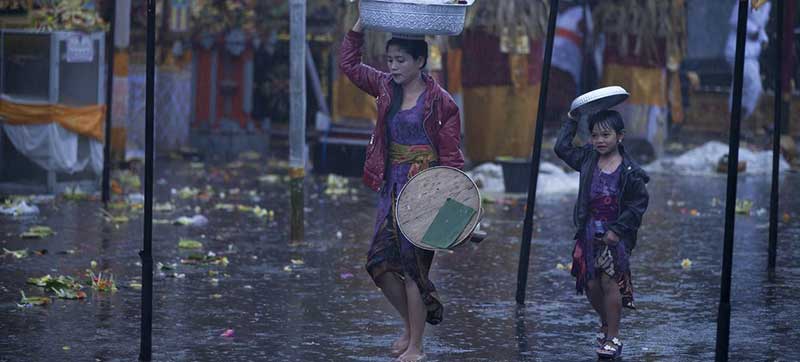
Heavy rains and flooding have caused severe damage and loss of life in several parts of the world in recent days.
WMO said the Japanese Meteorological Agency (JMA) has issued heavy rain emergency warnings for the Fukuoka and Oita prefectures, on Kyushu, the country’s third largest island, together with a new daily rainfall record two days ago.
“It’s raining like never before,” JMA said.
Meanwhile, the northeastern US, including New York state and New England has seen deadly torrential rains. New York issued a flash flood emergency and more than four million people were under floods alerts on 11 July.
Elsewhere, floods in northwest China killed a reported 15 people, and northern India, roads and bridges collapsed and houses were swept away as rivers overflowed during heavy monsoonal rainfall and flooding, claiming dozens of lives
Low-income countries at higher risk
The UN agency also highlighted that while developed countries have increased level of preparedness, such as warnings, and management of floods, low-income countries remain vulnerable.
“As the planet warms, the expectation is that we will see more and more intense, more frequent, more severe rainfall events, leading also to more severe flooding,” said Stefan Uhlenbrook, WMO Director of hydrology, water and cryosphere.
“Developed countries like Japan are extremely alert, and they’re also very well prepared when it comes to flood management measures. But many low-income countries have no warnings in place, hardly any flood defense structures and no integrated flood management. WMO is committed to improving the situation,” he said.
Support Our Journalism
We cannot do without you.. your contribution supports unbiased journalism
IBNS is not driven by any ism- not wokeism, not racism, not skewed secularism, not hyper right-wing or left liberal ideals, nor by any hardline religious beliefs or hyper nationalism. We want to serve you good old objective news, as they are. We do not judge or preach. We let people decide for themselves. We only try to present factual and well-sourced news.
Support objective journalism for a small contribution.