


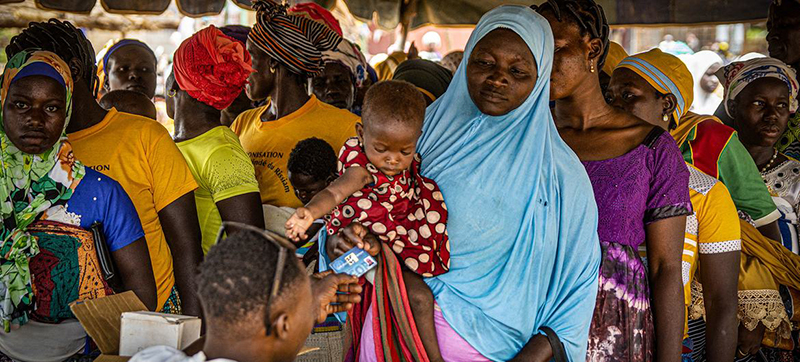
 Fake Medicines
Fake medicines kill almost 500,000 sub-Saharan Africans a year: UNODC report
New York: Trafficked medical products kill almost half a million sub-Saharan Africans every year, and action is needed to stem the flow, the United Nations Office on Drugs and Crime (UNODC) states in its new threat assessment report.
A lack of access to healthcare and medicines has been fuelling a host of opportunists aimed at filling the gaps, the report Trafficking in Medical Products in the Sahel shows. But, this supply and an imbalance in demand, has triggered deadly results.
Bitter pill of trafficking
In sub-Saharan Africa, as many as 267,000 deaths per year are linked to falsified and substandard antimalarial medicines, the transnational organized crime threat assessment found.
In addition, up to 169,271 are linked to falsified and substandard antibiotics used to treat severe pneumonia in children.
Trafficking these products is also taking a direct economic toll on affected countries. The World Health Organization (WHO) estimates that caring for people who have used falsified or substandard medical products for malaria treatment in sub-Saharan Africa costs between $12 million to $44.7 million every year.
605 tons seized
International operations saw more than 605 tons of medical products seized in West Africa, between January 2017 and December 2021. Typically, these products travel through mainstream international trade channels, mainly by sea.
Diverted from the legal supply chain, the products often come from major exporting countries to the Sahel region, including China, Belgium, France and India. Others are manufactured in neighbouring States.
Once in West Africa, smugglers move medical products by bus, cars and trucks to the Sahel, following existing trafficking routes, to avoid border controls.
Myriad traffickers
Terrorist groups and non-State armed groups are commonly associated with medical product trafficking in the Sahel, but, their involvement is limited. These groups levy “taxes” in areas they control or they abuse the drugs themselves.
News reports on drug use for non-medicinal purposes among terrorist groups, have documented an Al-Qaida affiliate in Côte d’Ivoire and former Boko Haram recruits in Nigeria, using or attempting to buy the opioid-like clonazepam (rivotril) since at least 2016.
At the same time, the UNODC report states that investigations have uncovered a variety of actors involved in the illicit medical product trade. Traffickers include pharmaceutical company employees, public officials, law enforcement officers, health agency workers and street vendors.
Tackling trafficking
The African Union established the African Medicines Regulatory Harmonization initiative in 2009 to improve access to safe, affordable medicine. The effort is part of its Framework on Pharmaceutical Manufacturing Plan for Africa. In addition, all Sahel countries but Mauritania have ratified a treaty for the establishment of the African Medicines Agency.
Recognizing these achievements, the UNODC report offered recommendations. Among them was to introduce or revise legislation to prevent all related offences, such as smuggling, money-laundering and corruption.
Support Our Journalism
We cannot do without you.. your contribution supports unbiased journalism
IBNS is not driven by any ism- not wokeism, not racism, not skewed secularism, not hyper right-wing or left liberal ideals, nor by any hardline religious beliefs or hyper nationalism. We want to serve you good old objective news, as they are. We do not judge or preach. We let people decide for themselves. We only try to present factual and well-sourced news.
Support objective journalism for a small contribution.


