


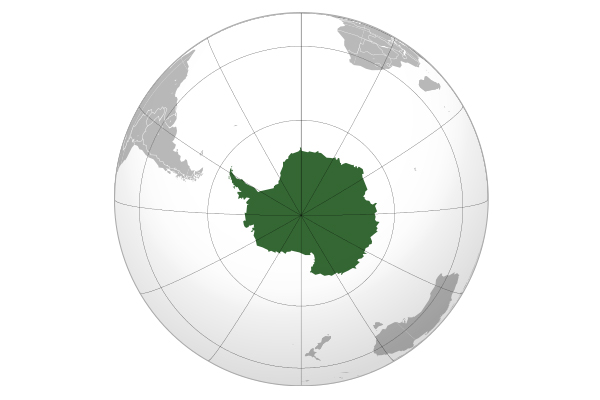
Giant Antarctica iceberg twice the size of Luxembourg breaks off
As per scientists at the University of Swansea and the British Antarctic Survey, the trillion-tonne (1,000,000,000,000 metric tonnes) iceberg that measures at least 5,800 square km, was found to have split off from the Larsen C segment of the Larsen ice shelf on Wednesday morning after scientists examined the latest satellite data from the area, The Guardian said.
Scientists say it potentially creates a hazard for movement of ships around the continent and it has been very close to drifting off for a few months.
Data collected just days before the iceberg calved revealed that the rift had branched multiple times. “We see one large [iceberg] for now. It is likely that this will break into smaller pieces as time goes by,” media reports quoted Adrian Luckman, professor of glaciology at Swansea University and leader of the UK’s Midas project which is focused on the state of the ice shelf, as saying.
Scientists are of the view that the iceberg may remain in one piece but is more likely to break into fragments. Some of the ice may remain in the area for decades, while parts of the iceberg may drift north into warmer waters.
Whilst this new iceberg will not immediately raise sea levels, experts say if the shelf loses much more of its area, it could result in glaciers that flow off the land behind speeding up their passage towards the ocean. This non-floating ice would have an eventual impact on sea levels, but only at a very modest rate.
Dr Martin O’Leary, a Swansea University glaciologist and member of the MIDAS project team, said of the recent calving:
“Although this is a natural event, and we’re not aware of any link to human-induced climate change, this puts the ice shelf in a very vulnerable position. This is the furthest back that the ice front has been in recorded history. We’re going to be watching very carefully for signs that the rest of the shelf is becoming unstable.”
Support Our Journalism
We cannot do without you.. your contribution supports unbiased journalism
IBNS is not driven by any ism- not wokeism, not racism, not skewed secularism, not hyper right-wing or left liberal ideals, nor by any hardline religious beliefs or hyper nationalism. We want to serve you good old objective news, as they are. We do not judge or preach. We let people decide for themselves. We only try to present factual and well-sourced news.
Support objective journalism for a small contribution.


