 Hangul
Hangul census concludes in Kashmir, Wildlife department uses drones for the purpose
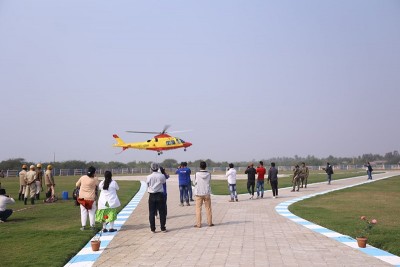
Srinagar: Kashmir wildlife department has pressed state-of-the-art drones into service to conduct the Hangul census in Kashmir.
The week-long census was conducted from Mar 15 to 20.
Experts told The Kashmir Monitor that there is a significant increase in the number of animals this year. Nearly 300 people including students, experts, wildlife officials, and NGOs participated in the census.
“Students from zoology, botany, and veterinary sciences background were given the task to conduct the census. People have to physically sight the hangul for enumeration. Nowadays the department is using drones for spotting the animals,” Aaqib Hussain, a wildlife biologist, who was part of the census, told the news portal.
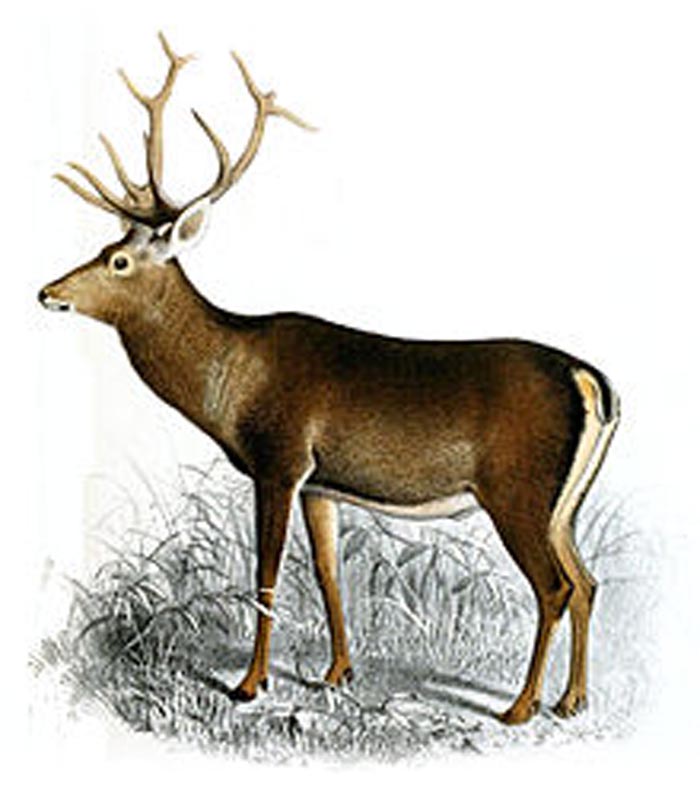
The Kashmir stag (Cervus hanglu hanglu), also called hangul, is a subspecies of Central Asian red deer endemic to Kashmir and surrounding areas.
It is found in dense riverine forests in the high valleys and mountains of Jammu and Kashmir and northern Himachal Pradesh.
In Kashmir, it is found primarily in the Dachigam National Park where it receives protection, and elsewhere it is more at risk.
Support Our Journalism
We cannot do without you.. your contribution supports unbiased journalism
IBNS is not driven by any ism- not wokeism, not racism, not skewed secularism, not hyper right-wing or left liberal ideals, nor by any hardline religious beliefs or hyper nationalism. We want to serve you good old objective news, as they are. We do not judge or preach. We let people decide for themselves. We only try to present factual and well-sourced news.
Support objective journalism for a small contribution.