


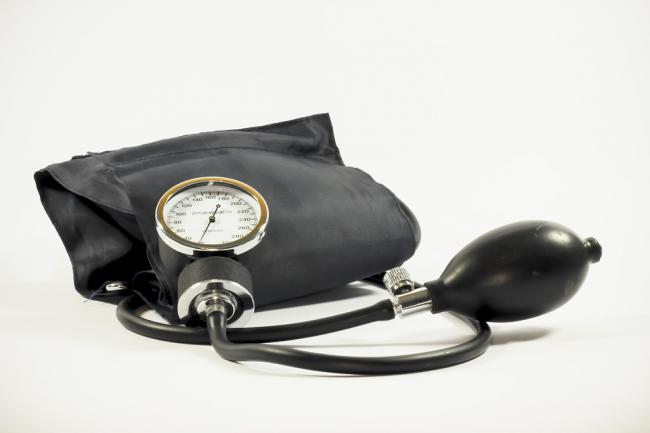
In women, even mild sleep problems may raise blood pressure: Study
New York, June 27 (IBNS): It is well known that chronic sleep deprivation can affect cardiovascular health.
But according to a new study from Columbia University Irving Medical Center, even mild sleep problems, such as having trouble falling asleep, can raise blood pressure in women.
Nearly one-third of adults don’t get enough sleep.
For women, the problem may be even bigger.
Studies suggest that women are at greater risk for sleep problems, with some researchers reporting that chronic insomnia may be twice as common in women as in men.
The new study examined blood pressure and sleep habits in 323 healthy women. Mild sleep disturbances—poor-quality sleep, taking longer to fall asleep, and insomnia—were nearly three times more common than severe sleep disturbances, such as obstructive sleep apnea.“That’s concerning, since studies have shown that sleep deprivation and milder sleep problems may have a disproportionate effect on cardiovascular health in women,” says Brooke Aggarwal, EdD, a behavioral scientist in the Department of Medicine at Columbia University Vagelos College of Physicians and Surgeons and lead author of the study.
Women who had mild sleep problems—including those who slept for seven to nine hours a night, as measured by a wristwatch-like device—were significantly more likely to have elevated blood pressure.
Some of the women allowed the researchers to extract a few endothelial cells from inside an arm vein to look for a pro-inflammatory protein that is implicated in the development of cardiovascular disease.
The researchers, led by Sanja Jelic, MD, associate professor of medicine at VP&S and senior author of the study, found an association between endothelial inflammation and mild sleep disturbances.
“Our findings suggest that mild sleep problems could possibly initiate the vascular endothelial inflammation that’s a significant contributor to cardiovascular disease,” says Aggarwal. “Results of an ongoing clinical trial may confirm these results. In the meantime, it may be prudent to screen women for milder sleep disturbances in an effort to help prevent cardiovascular disease.”
Image: Creative Commons/Internet Wallpaer
Support Our Journalism
We cannot do without you.. your contribution supports unbiased journalism
IBNS is not driven by any ism- not wokeism, not racism, not skewed secularism, not hyper right-wing or left liberal ideals, nor by any hardline religious beliefs or hyper nationalism. We want to serve you good old objective news, as they are. We do not judge or preach. We let people decide for themselves. We only try to present factual and well-sourced news.
Support objective journalism for a small contribution.


