


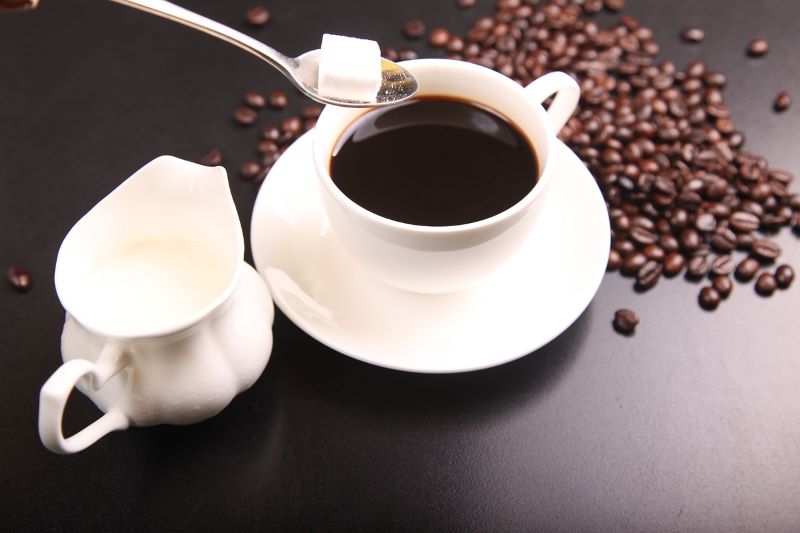
Limit tea, coffee intake; avoid consumption before and after meals: Top Indian medical body
The Indian Council of Medical Research (ICMR) has advised moderation in tea and coffee consumption, the two beloved beverages in Indian culture, warning them of having potential health concerns if consumed excessively.
The medical body recently introduced 17 new dietary guidelines in partnership with the National Institute of Nutrition (NIN), aiming to encourage healthier eating habits across India. These guidelines stress the significance of a varied diet and active lifestyle.
While recognising their cultural importance, ICMR researchers explained that tea and coffee “contain caffeine, which stimulates the central nervous system and induces physiological dependence".
It has advised avoiding tea or coffee for at least an hour before and after meals as they contain tannins, which can reduce iron absorption in the body. Tannins tie to iron in the stomach, making it harder for the body to absorb iron properly.
This may lead to iron deficiency and health problems like anaemia. Excessive coffee consumption can also cause high blood pressure and cardiac irregularities, according to ICMR.
Consuming tea without milk, however, has various benefits such as improved blood circulation and a reduced risk of conditions like coronary artery disease and stomach cancer, the guidelines said.
The guidelines also shed light on the caffeine content of popular beverages, noting that a 150ml cup of brewed coffee contains 80 - 120 mg of caffeine, instant coffee has 50 - 65mg, and tea contains 30 - 65mg.
The ICMR advises a daily intake of just 300mg of caffeine.
The medical body has also recommended a diet rich in fruits, vegetables, whole grains, lean meats, and seafood, while limiting oil, sugar, and salt intake.
Support Our Journalism
We cannot do without you.. your contribution supports unbiased journalism
IBNS is not driven by any ism- not wokeism, not racism, not skewed secularism, not hyper right-wing or left liberal ideals, nor by any hardline religious beliefs or hyper nationalism. We want to serve you good old objective news, as they are. We do not judge or preach. We let people decide for themselves. We only try to present factual and well-sourced news.
Support objective journalism for a small contribution.


