


 Measles
Over 90 percent of children vaccinated for measles, says Sri Lankan health ministry
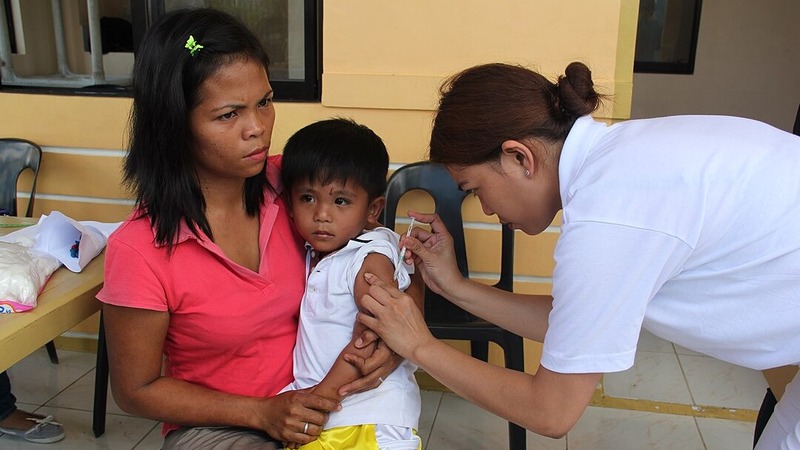
Colombo/IBNS: Ninety-one percent of Sri Lankan children have received measles vaccines, a crucial step in combating a recent resurgence of the disease after eradication, Health Minister Ramesh Pathirana said on Monday.
Addressing a press conference at the Presidential Media Centre, Pathirana outlined further health priorities for 2024, saying that disease prevention takes centre stage with plans to bolster primary healthcare services and improve efficiency for patients.
Earlier this year, UNICEF, together with WHO, supported the Ministry of Health in implementing a supplementary measles immunisation activity (SIA) in Sri Lanka aimed at controlling the ongoing measles outbreak, with over 700 measles cases reported in the country since May 2023, according to a UNICEF report.
The SIA was launched in two phases; the first phase commenced on January 6, targeting 6–9-month-olds in nine identified districts with a high population density, where measles cases were reported, including Colombo, Gampaha, Kalutara, Galle, Matara, Kandy, Jaffna, Kurunegala, and Kalmunai.
The second phase was initiated on January 20 and will be extended to other age groups across the country.
The minister said tackling non-communicable diseases (NCDs) remains a major challenge, as over 20 percent of Sri Lankans battle diabetes and the country has a high prevalence of high blood pressure.
Amid a rapidly ageing population, Sri Lanka is proactively addressing the rise of non-communicable diseases like memory impairment, eye diseases, and bone diseases through dedicated programmes, said Pathirana.
Dengue fever, another pressing concern, is being tackled with special efforts, seeking increased public collaboration alongside support from health and security departments, said Pathirana.
Recognising the existing drug shortage, the government is actively importing essential medicines, with shortages gradually decreasing, according to the minister.
In 1984, the measles, mumps, and rubella (MMR) vaccine was added to Sri Lanka's immunisation programme.
Sri Lanka was declared measles-free by the WHO in 2019 after a second dose of the vaccine was administered in 2001 to boost population immunity.
But from 2020 to 2022, there was a notable decline in the vaccination rate worldwide, which affected many countries in the region and resulted in a rise in measles cases, including in Sri Lanka.
(With UNI/Xinhua inputs)
Support Our Journalism
We cannot do without you.. your contribution supports unbiased journalism
IBNS is not driven by any ism- not wokeism, not racism, not skewed secularism, not hyper right-wing or left liberal ideals, nor by any hardline religious beliefs or hyper nationalism. We want to serve you good old objective news, as they are. We do not judge or preach. We let people decide for themselves. We only try to present factual and well-sourced news.
Support objective journalism for a small contribution.


