


 Pakistan
Pak staring at healthcare disaster as forex shortage hits prodn of essential medicines
Islamabad: The healthcare system in Pakistan has been severely impacted by the ongoing economic crisis, leaving patients in a difficult situation as they grapple to get essential medicines, media reports said.
Due to insufficient foreign currency reserves, the country's ability to import the required medicines or the Active Pharmaceutical Ingredients (API) used in domestic production has been affected, news agency ANI reported.
The shortage has forced domestic pharmaceutical companies to reduce their output, leaving patients in hospitals in a lurch.
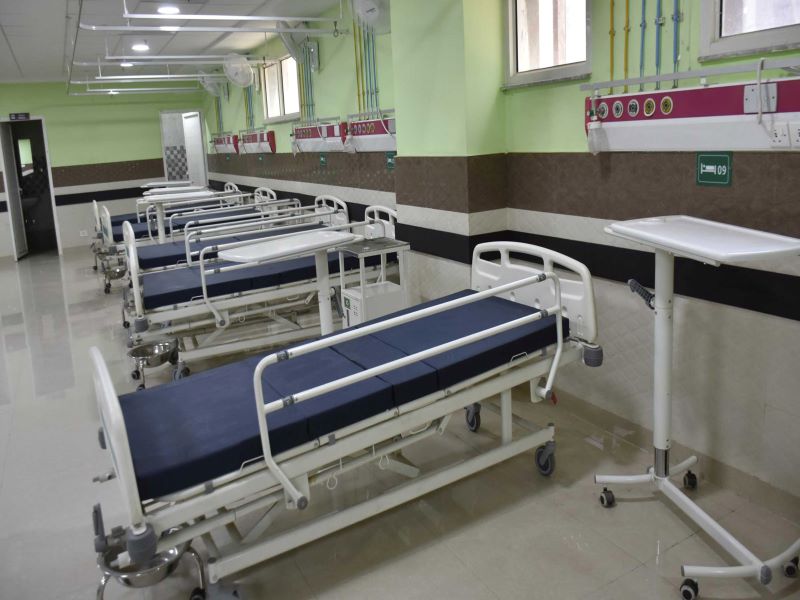
Doctors are unable to carry out critical surgeries such as those related to heart, cancer, and kidney due to the limited availability of medical equipment and drugs.
According to media reports from Pakistan, the situation in hospitals is dire, with operating theatres having less than a two-week supply of anaesthetics.
This situation could lead to further job losses in Pakistani hospitals, further exacerbating the difficulties faced by the people, said reports.
The pharmaceutical manufacturers have held the financial system of the country responsible for the healthcare crisis, claiming that commercial banks are not issuing new Letters of Credit (LCs) for their imports.
Pakistan’s domestic pharmaceutical industry is highly import dependent with 95 percent of raw materials bought from other countries, including India and China.
The situation has worsened as the buyers are unable to release their shipments held up in Karachi port due to lack of foreign exchange. Further, they have flagged the growing cost of manufacturing due to rising fuel costs and transportation charges and the sharp devaluation of the Pakistani rupee.
The Pakistan Medical Association (PMA) called for the government’s intervention to prevent the situation from turning into a disaster.
Retailers have disclosed that there is a shortage of several common yet essential drugs, affecting the majority of their customers. These drugs include Panadol, Insulin, Brufen, Disprin, Calpol, Tegral, Nimesulide, Hepamerz, Buscopan, and Rivotril, among others.
Meanwhile, at the beginning of this month, the Pakistan government and the IMF staff held discussions regarding the ninth review of the USD 6.5 billion bailout package, but no staff-level agreement was reached.
The Pakistani government had aimed to persuade the IMF to implement the conditions in a gradual manner, but these hopes were quashed during the 10-day visit by the IMF mission to Pakistan.
Support Our Journalism
We cannot do without you.. your contribution supports unbiased journalism
IBNS is not driven by any ism- not wokeism, not racism, not skewed secularism, not hyper right-wing or left liberal ideals, nor by any hardline religious beliefs or hyper nationalism. We want to serve you good old objective news, as they are. We do not judge or preach. We let people decide for themselves. We only try to present factual and well-sourced news.
Support objective journalism for a small contribution.


