


 Heart Disease
Prediabetic? This simple step could dramatically cut your heart attack risk
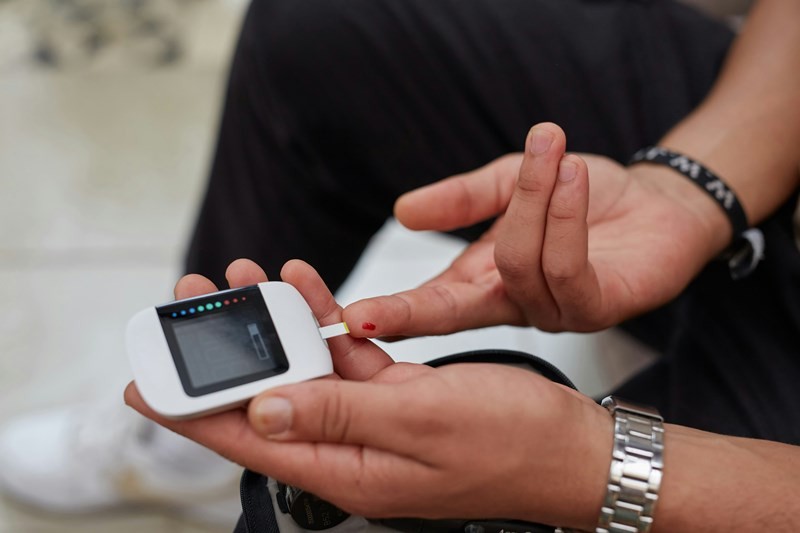
A new study has shown that lowering blood sugar levels halves the likelihood of serious heart problems in people with prediabetes.
According to King’s College London research, published in The Lancet Diabetes & Endocrinology, bringing blood glucose back to normal levels - effectively reversing prediabetes - cuts the risk of death from heart disease or hospital admission for heart failure by more than 50%.
This finding is especially important in light of recent research showing that lifestyle changes alone - including exercise, weight loss and dietary improvements - do not lower cardiovascular risk in people with prediabetes, as per King’s College London website.
Together, these discoveries present a new, life-saving target for prediabetes and the prevention of cardiovascular disease, while potentially signalling a paradigm change for the way these conditions are treated by clinicians.
Dr Andreas Birkenfeld, Reader in Diabetes at King's and lead author of the study, said: “This study challenges one of the biggest assumptions in modern preventative medicine. For years, people with prediabetes have been told that losing weight, exercising more and eating healthier will protect them from heart attacks and early death.
While these lifestyle changes are unquestionably valuable, the evidence does not support that they reduce heart attacks or mortality in people with prediabetes. Instead, we show that remission of prediabetes is associated with a clear reduction in fatal cardiac events, heart failure, and all-cause mortality.”
Study lead author Dr Andreas Birkenfeld, Reader in Diabetes, King’s College London and University Hospital Tuebingen
Prediabetes is a condition where blood glucose levels are higher than normal but not yet high enough to be diagnosed with type 2 diabetes. While the condition frequently progresses to type 2 diabetes, it also carries risk of cardiovascular disease – one of the leading causes of death globally. In the UK, around one in five adults has diabetes or prediabetes. In the United States, that figure is more than one in three, and in China it rises to four in ten. Globally, more than one billion people are estimated to have prediabetes.
Led by Dr Andreas Birkenfeld from King’s College London and University Hospital Tuebingen, the study reanalysed data from two landmark diabetes prevention trials - the US Diabetes Prevention Program Outcomes Study (DPPOS) and the Chinese DaQing Diabetes Prevention Outcomes Study (DaQingDPOS). Both are longitudinal studies, following participants with prediabetes over several decades, with interventions including increasing exercise and eating a healthy diet.
People who had achieved remission from prediabetes had a 58% lower risk of cardiovascular death or hospitalisation from heart failure. This effect persisted decades after normalising glucose levels, suggesting a lasting impact from regulating blood glucose.
The researchers also found that risk of heart attack, stroke and other major adverse cardiovascular events were reduced by 42% in those who had achieved prediabetes remission.
The results were similar across both the Chinese and US data.
Previous analysis on the studies had shown combined lifestyle interventions, including increased exercise and eating a healthy diet, did not reduce cardiovascular disease. This suggests that delaying diabetes onset alone does not guarantee cardiovascular protection unless important metabolic changes occur.
“The study findings mean that prediabetes remission could establish itself - alongside lowering blood pressure, cutting cholesterol and stopping smoking – as a fourth major primary prevention tool that truly prevents heart attacks and deaths.” added Dr Birkenfeld.
The research is part of a longstanding collaboration between King’s College London and TUD Dresden University of Technology, known as the transCampus.
Support Our Journalism
We cannot do without you.. your contribution supports unbiased journalism
IBNS is not driven by any ism- not wokeism, not racism, not skewed secularism, not hyper right-wing or left liberal ideals, nor by any hardline religious beliefs or hyper nationalism. We want to serve you good old objective news, as they are. We do not judge or preach. We let people decide for themselves. We only try to present factual and well-sourced news.
Support objective journalism for a small contribution.


