


Rabies 100 per cent preventable, UN health agency says on World Day
“Rabies is preventable at its source by vaccinating dogs” Dr. Bernadette Abela-Ridder, Team Leader of Neglected Zoonotic Diseases at WHO headquarters in Geneva, said in anews release issued on the occasion of World Rabies Day.
“Decline in human rabies deaths closely mirrors that of rabies in dogs, and investments are needed now to roll out elimination programmes in affected communities and countries.”
“Rabies, which mainly affects the rural poor and marginalised populations, continues to kill tens of thousands of people every year. Almost 40 per cent of victims exposed to dog-bites are children under the age of 15.
“The disease is mainly transmitted to humans through the bite of an infected dog, something that is widespread in low-income countries that have little or no domestic and stray-dog management or vaccination programmes, according to WHO.
“The agency went on to say that pilot programmes have successfully demonstrated that elimination of rabies is achievable mainly through mass dog-vaccination campaigns, supported by improved access to post-bite treatment immediately after a dog bite.
“Recent WHO-led pilot projects in the Philippines, South Africa and Tanzania have demonstrated that mass vaccination of dogs can drastically reduce and eventually eliminate human rabies deaths.
“Another successful rabies elimination programme was implemented in Bangladesh where a mass dog vaccination campaign between 2011 and 2013 resulted in reducing human rabies deaths by 50 per cent, WHO said.
“ “Building on the success of its national elimination programme, Bangladesh plans to reduce human rabies deaths by 90 per cent by the end of this year and achieve elimination by 2020,” it said.
“WHO, the UN Food and Agriculture Organization (FAO) and the World Organisation for Animal Health (OIE) are initiating an international conference on the global elimination of dog-mediated human rabies from 10 to 11 December 2015 in Geneva.
“Over 99 per cent of human cases are due to dog bites and, unlike many other diseases, the tools required to tackle this neglected disease are available,” it said.
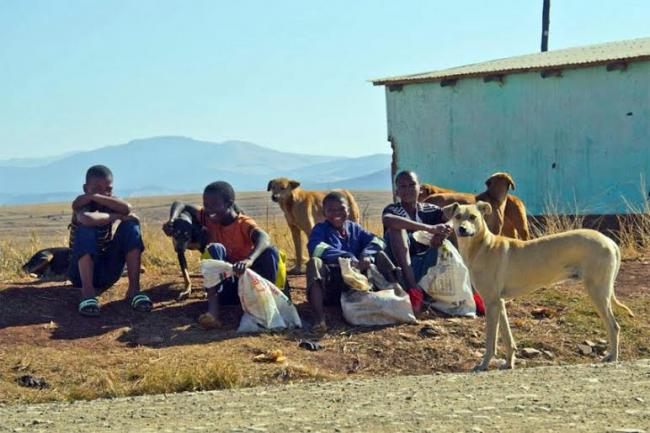
Photo: Daniel Stewart/WHO
Support Our Journalism
We cannot do without you.. your contribution supports unbiased journalism
IBNS is not driven by any ism- not wokeism, not racism, not skewed secularism, not hyper right-wing or left liberal ideals, nor by any hardline religious beliefs or hyper nationalism. We want to serve you good old objective news, as they are. We do not judge or preach. We let people decide for themselves. We only try to present factual and well-sourced news.
Support objective journalism for a small contribution.


