 Health
‘Radical reorientation’ needed as half of humanity lacks basic health coverage
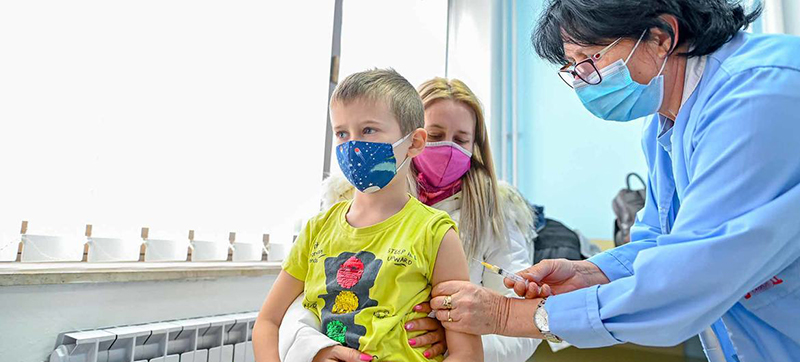
Over 4.5 billion people worldwide lack coverage for essential health services the UN health agency said on Monday, underscoring the need for stronger political commitment and increased government investment.
Moreover, two billion face severe financial hardships when paying out-of-pocket for necessary medical treatment, according to a joint World Health Organization (WHO)-World Bank report.
“The fact that so many people cannot benefit from affordable, quality, essential health services not only puts their own health at risk, it also puts the stability of communities, societies and economies at risk,” said Tedros Adhanom Ghebreyesus, WHO Director-General.
“We urgently need stronger political will, more aggressive investments in health, and a decisive shift to transform health systems based on primary health care.”
Alarm for global health goals
This crisis poses a major threat to global health-related Sustainable Development Goals (SDGs) that aim to achieve universal health coverage for all by 2030.
According to the report, over the past two decades, fewer than one-third of countries globally have improved health service coverage and reduced the “catastrophic” levels of out-of-pocket health spending, which often exceed 25 per cent of household income.
Getting back on track
To get back on track toward the ambitious goals, the report calls for substantial investments in the public sector by governments and development partners.
It emphasizes the need for a “radical reorientation” of health systems, prioritizing primary healthcare, enhancing equity and financial protection.
Reform is also vital to fully address the devastating impact of COVID-19 on health systems and the global healthcare workforce, while also bracing against the challenges posed by economic downturn, the report said.
Other factors include the consequences of climate change and shifting political priorities.
Helping people escape poverty
“We know that achieving universal health coverage is a critical step in helping people escape and stay out of poverty, yet there continues to be increased financial hardship, especially for the poorest and most vulnerable people,” said Mamta Murthi, Vice President for Human Development at the World Bank.
“This report paints a dire picture, but also offers evidence on ways to prioritize health in government budgets and strengthen health systems for greater equity in both the delivery of essential quality health services and financial protection.”
The report was released ahead of a UN General Assembly high-level meeting on Thursday, where world leaders are expected to renew their pledge to act and make universal health coverage a reality for all.
Support Our Journalism
We cannot do without you.. your contribution supports unbiased journalism
IBNS is not driven by any ism- not wokeism, not racism, not skewed secularism, not hyper right-wing or left liberal ideals, nor by any hardline religious beliefs or hyper nationalism. We want to serve you good old objective news, as they are. We do not judge or preach. We let people decide for themselves. We only try to present factual and well-sourced news.
Support objective journalism for a small contribution.