


'Silent emergency' in South Sudan as protracted conflict displaces millions of cattle-UN
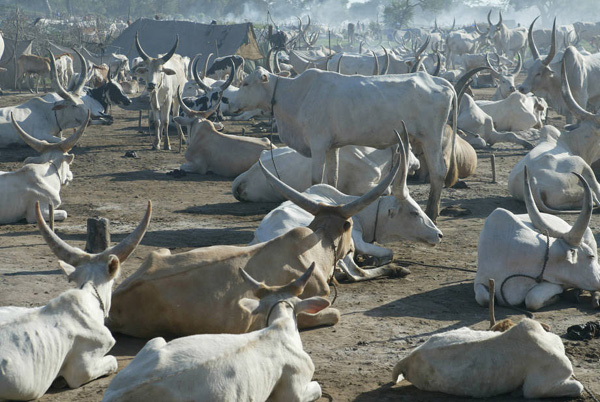
The ongoing fighting has caused the displacement of millions of animals, leading to fresh outbreaks of disease and rising tensions between pastoral groups and farmers, as well as within different pastoralist communities.
“From the earliest days of the crisis, FAO has done its utmost to draw attention to the silent emergency that these unusual livestock migrations represent,” Sue Lautze, FAO Representative to South Sudan said in a statement to the press.
Both herders and farmers face a rising threat of armed conflict, the FAO warned. Farmers have cut the amount of land they are planting by as much as 40 per cent in areas such as Renk County, and the prices of basic staple foods are as much as four times higher in the most conflict-affected areas.
The Organization along with its partners is leading efforts to combat disease outbreaks and maintain the animal health care system. In recent months, teams of FAO livestock experts have traversed South Sudan, conducting dozens of assessments, disease investigations and monitoring missions.
The Organization is also boosting its operations in the country by expanding the community-based animal health network and vaccination programme, deploying staff to lead and support disease surveillance efforts, and helping to re-establish local laboratories for livestock disease diagnosis.
For 2015, FAO is seeking $89 million to improve the food security of 2.35 million vulnerable people in South Sudan while further expanding its development efforts.
Working with host communities and pastoralists, FAO’s teams have flagged worrying new animal disease patterns, intensifying violence over access to land for grazing and worsening livestock conditions.
As animals have been moved, diseases have spread to previously uninfected areas. Diseases like East Coast Fever, foot-and-mouth disease and trypanosomiasis devastate cattle production and threaten the food security and livelihoods of pastoral communities across the country.
FAO also announced on Wednesday that it is implementing a new milk voucher scheme for nutritionally at risk families. Declines in milk production and the loss of cattle to disease increase the risk of malnutrition, particularly among children and pregnant and breastfeeding women who rely on milk as an essential part of their diet. For most herders, the loss of cattle means the loss of their entire livelihood.
In 2014, FAO’s humanitarian programme in the country reached over 2.8 million people through a combination of crop production, fisheries and animal health interventions, including vaccinating over 1.6 million animals.
Cattle rest at a temporary camp near Rumbek, South Sudan. Photo: FAO/Jose Cendon
Support Our Journalism
We cannot do without you.. your contribution supports unbiased journalism
IBNS is not driven by any ism- not wokeism, not racism, not skewed secularism, not hyper right-wing or left liberal ideals, nor by any hardline religious beliefs or hyper nationalism. We want to serve you good old objective news, as they are. We do not judge or preach. We let people decide for themselves. We only try to present factual and well-sourced news.
Support objective journalism for a small contribution.


