 Heart Health
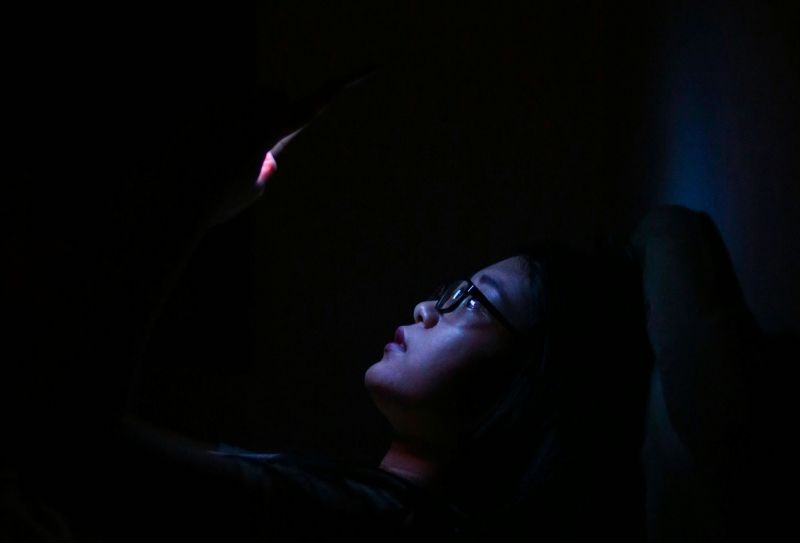
Sleeping with lights on? It could be silently damaging your heart, study warns
New research has revealed that exposure to light at night may significantly increase the risk of cardiovascular diseases, including heart failure and stroke, even when traditional risk factors are accounted for.
As per European Medical Journal website, an exposure to artificial light at night disrupts the body’s circadian rhythm, affecting blood pressure, metabolism, and cardiovascular regulation.
Earlier studies have even linked circadian disruption to poor sleep and metabolic disease, but its association with heart conditions has been less clear.
This latest UK Biobank study provides strong evidence that excessive light at night is not only a nuisance for sleep but also a measurable cardiovascular risk factor, reads the journal's website.
The researchers suggest that even small amounts of night-time light exposure could contribute to long-term heart health problems.
The study showed 88,905 adults aged over 40 years for an average of 9.5 years, collecting around 13 million hours of personal light exposure data using wrist-worn sensors.
Participants were divided into quartiles based on night light exposure, ranging from the darkest (0–50th percentile) to the brightest (91st–100th percentile).
Compared with those in the darkest category, individuals exposed to the brightest light at night faced notably higher risks: coronary artery disease (adjusted HR 1.32; 95% CI, 1.18–1.46), myocardial infarction (HR 1.47; 95% CI, 1.26–1.71), heart failure (HR 1.56; 95% CI, 1.34–1.81), atrial fibrillation (HR 1.32; 95% CI, 1.18–1.46), and stroke (HR 1.28; 95% CI, 1.06–1.55).
These links remained significant even after adjusting for physical activity, smoking, alcohol, diet, sleep, socioeconomic status, and genetic factors.
Stronger associations were observed among women and younger individuals, suggesting potential age and sex differences in sensitivity to night-time light exposure.
Support Our Journalism
We cannot do without you.. your contribution supports unbiased journalism
IBNS is not driven by any ism- not wokeism, not racism, not skewed secularism, not hyper right-wing or left liberal ideals, nor by any hardline religious beliefs or hyper nationalism. We want to serve you good old objective news, as they are. We do not judge or preach. We let people decide for themselves. We only try to present factual and well-sourced news.
Support objective journalism for a small contribution.