 Early Death
Study shows poor health and early death caused by metabolism-related risk factors has increased by 50% since 2000
The latest findings from the Global Burden of Diseases, Injuries, and Risk Factors Study (GBD) 2021, published today in The Lancet(link is external), provide new insights into health challenges and the risk factors that are driving them.
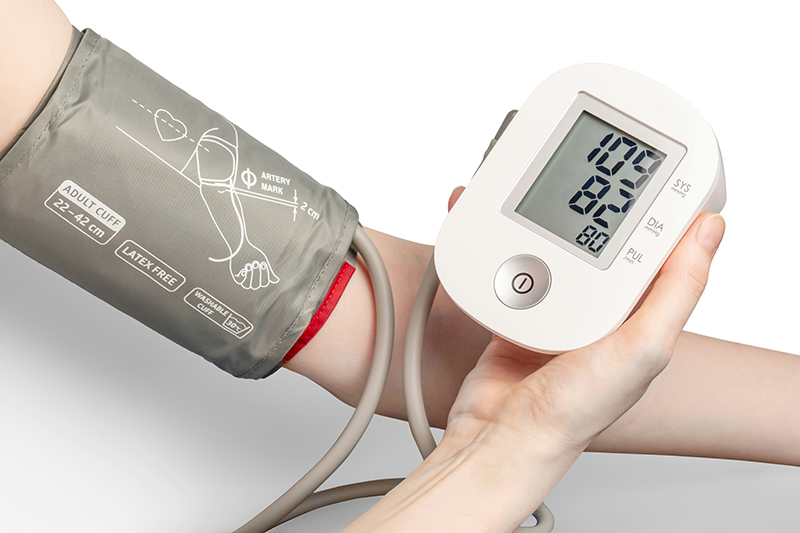
An increase in people experiencing risk factors associated with metabolism, such as high systolic blood pressure (SBP), high fasting plasma glucose (FPG), high body mass index (BMI), high LDL cholesterol, and kidney dysfunction, demonstrates the consequences of an aging population and changing lifestyles on a global scale.
According to the study, there was a 49.4% increase in the number of global DALYs, or disability-adjusted life years (lost years of healthy life due to poor health and early death), attributable to metabolism-related risk factors between 2000 and 2021. Over this period, ill health in people ages 15–49 was increasingly attributable to a high BMI and high FPG – also known as high blood sugar – which increases the risk of developing diabetes. Other metabolic risk factors, such as high SBP and high LDL cholesterol, were also in the top 10 risk factors for people in this age group.
“Targeting the reduction of preventable, non-communicable diseases through modifiable risk factors presents an enormous opportunity to pre-emptively alter the trajectory of global health through policy and education.”
“Though metabolic in nature, developing these risk factors can often be influenced by various lifestyle factors, especially among younger generations,” said Dr. Michael Brauer, Affiliate Professor at the Institute for Health Metrics and Evaluation (IHME). “They also are indicative of an aging population that is more likely to develop these conditions with time. Targeting the reduction of preventable, non-communicable diseases through modifiable risk factors presents an enormous opportunity to pre-emptively alter the trajectory of global health through policy and education.”
The GBD risk factors analysis presents comprehensive estimates of the disease burden of 88 risk factors and their associated health outcomes for 204 countries and territories from 1990 to 2021. For the first time, the GBD study incorporates IHME’s new burden of proof methodology, which rigorously evaluates the evidence linking risk factors, diseases, and injuries, and offers an additional lens through which to prioritize actions and highlight areas in need of further research.
Particulate matter air pollution, smoking, and low birthweight and short gestation were also among the largest contributors to DALYs in 2021, with considerable variation across ages, sexes, and locations.
The study found that substantial progress was made between 2000 to 2021 in reducing the global burden of disease attributable to risk factors linked to maternal and child health; unsafe water, sanitation, and handwashing; and household air pollution from cooking with solid fuels.
“Risk factors that currently lead to ill health, such as obesity and other components of metabolic syndrome, exposure to ambient particulate matter air pollution, and tobacco use, must be addressed via a combination of global health policy efforts and exposure reduction to mitigate health risks and improve population health,” said Dr. Emmanuela Gakidou, Professor of Health Metrics Sciences at IHME.
“With increasing exposure to risk factors such as high blood sugar, high blood pressure, low physical activity, and diet high in sugar-sweetened beverages—there is an urgent need for interventions focused on obesity and metabolic syndromes,” said Dr. Greg Roth, Director for the Program in Cardiovascular Health Metrics and Adjunct Associate Professor of Health Metrics Sciences at IHME.
“GBD highlights that future trends may be quite different than past trends because of factors such as climate change and increasing obesity and addiction, but at the same time, there are tremendous opportunities to alter the trajectory of health in the next generation,” said Dr. Liane Ong, Lead Research Scientist at IHME.
“With increasing exposure to risk factors such as high blood sugar, high blood pressure, low physical activity, and diet high in sugar-sweetened beverages—there is an urgent need for interventions focused on obesity and metabolic syndromes.”
The greatest declines in disease burden occurred for risk factors related to maternal and child health and unsafe water, sanitation, and handwashing, due largely to decreases in risk exposure but also to proportionally smaller infant and youth populations. These numbers suggest that public health measures and humanitarian health initiatives of the past three decades have been successful, with particularly high rates of decline in burden attributable to these risk factors in areas ranking lower on the Socio-demographic Index, a measure of income, fertility, and education.
There were considerable declines in the global disease burden associated with child and maternal malnutrition risk factors, such as child growth failure, with age-standardized attributable DALY rates decreasing by 71.5%, between 2000 and 2021, and low birthweight and short gestation, with rates decreasing by 33.0% over the same period.
The authors found that despite decreases at the global level, the disease burden attributable to risk factors related to child and maternal malnutrition remained high in the GBD super-regions of sub-Saharan Africa, South Asia, areas of North Africa and the Middle East, as well as parts of Southeast Asia, East Asia, and Oceania.
The burden of disease linked to unsafe water source, unsafe sanitation, and no access to a handwashing facility (all top-25 risks) declined, with decreases of 66.3%, 69.2%, and 65.7%, respectively, in attributable age-standardized DALY rates.
In contrast, the burden attributable to smoking (age-standardized risk-attributable DALYs) rose moderately due to aging of the population, even though people’s exposure to this risk factor declined. Disease burden (age-standardized risk-attributable DALYs) tied to ambient particulate air pollution, high BMI, high FPG, and high SBP increased substantially as people’s exposure to these risk factors increased and populations aged.
Also released today in The Lancet is the GBD forecasting analysis(link is external) of 204 countries from 2022 and 2050, indicating that global life expectancy is likely to increase between 2022 and 2050.
Support Our Journalism
We cannot do without you.. your contribution supports unbiased journalism
IBNS is not driven by any ism- not wokeism, not racism, not skewed secularism, not hyper right-wing or left liberal ideals, nor by any hardline religious beliefs or hyper nationalism. We want to serve you good old objective news, as they are. We do not judge or preach. We let people decide for themselves. We only try to present factual and well-sourced news.
Support objective journalism for a small contribution.