


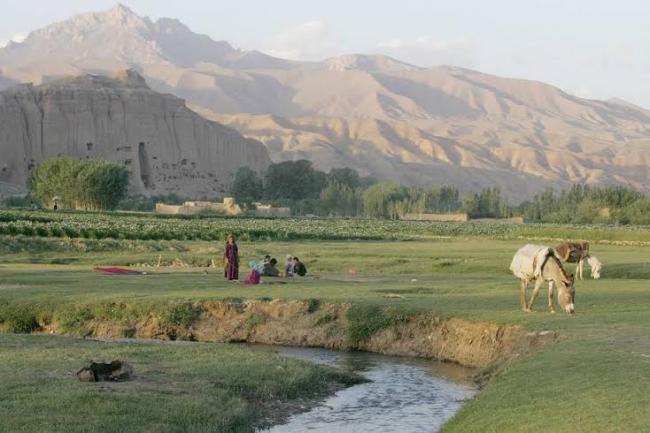
Sustainable soil management key to curbing climate change and ensuring food security - UN agency
"Mountain soils are particularly susceptible to climate change, deforestation, unsustainable farming practices and resource extraction methods that affect their fertility, trigger land degradation, desertification and disasters … leading to poverty," Jose Graziano da Silva, Director-General of The Food and Agriculture Organization (FAO), writes in the preface to the volume.
As a contribution to the 2015 International Year of Soils, the book, Understanding Mountain Soils, aims to raise global awareness of the importance of mountain soils, the need for their sustainable management and the harsh reality faced by the often-marginalized mountain peoples.
Citing environmental, economic and social values of mountain soils, the new publication showcases solutions, techniques and best practices worldwide of the sustainable soil management approach for protecting ecosystem.
Indigenous practices and local knowledge, highlights the book, are the backbones for essential ecosystem functions. Contouring, terracing and mixed farming are some good examples of landscape approach developed by mountain peoples to manage their lands sustainably.
However, threats and challenges, caused by both climate change and human actions, remain for the fragile mountain soils.
The book therefore calls for global efforts to empower mountain farmers and indigenous people, support rural women as well as a landscape approach for better safeguard.
‘Understanding Mountain Soils’ was launched at the beginning of annual meeting of the Global Soils Partnership, which took place in Rome on 22 June and runs through 24 June.
International Year of Soils 2015 aims to increase awareness and understanding of the importance of soil for food security and essential ecosystem functions.
Photo: FAO/Giulio Napolitano
Support Our Journalism
We cannot do without you.. your contribution supports unbiased journalism
IBNS is not driven by any ism- not wokeism, not racism, not skewed secularism, not hyper right-wing or left liberal ideals, nor by any hardline religious beliefs or hyper nationalism. We want to serve you good old objective news, as they are. We do not judge or preach. We let people decide for themselves. We only try to present factual and well-sourced news.
Support objective journalism for a small contribution.


