


 COVID-19
Think COVID vaccines don’t matter anymore? WHO research says otherwise
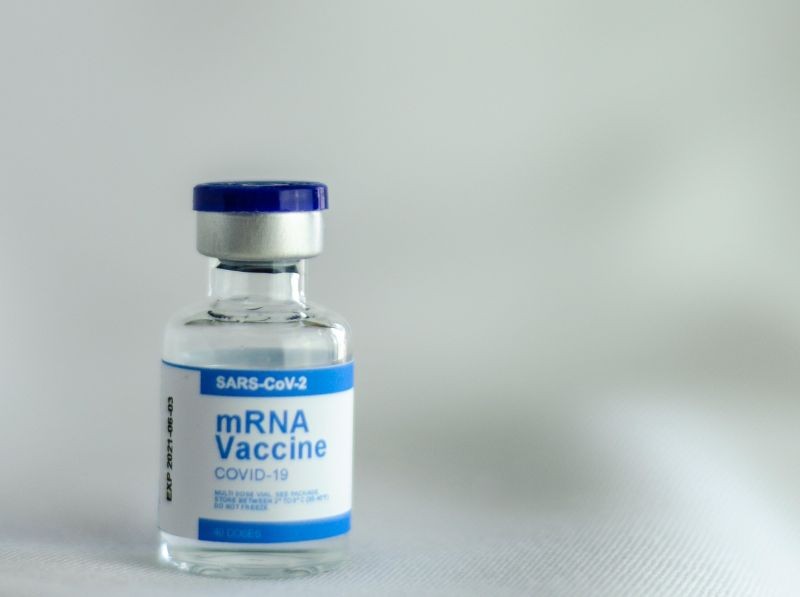
Up-to-date vaccination remains the most effective way to prevent severe COVID-19 illness, new research from the World Health Organization (WHO) shows, even as the pandemic has officially ended.
Although COVID-19 no longer causes the widespread disruption seen during the global health emergency, the virus continues to hospitalize and kill people across Europe and neighbouring regions.
Studies led by the WHO Regional Office for Europe confirm that people who receive timely booster doses are far less likely to develop severe disease, require intensive care or die.
The findings are based on data from the European Severe Acute Respiratory Infection Vaccine Effectiveness (EuroSAVE) network, which monitors respiratory infections in hospitals across parts of Europe, the Balkans, the South Caucasus and Central Asia.
Important findings
“The studies highlight that, while COVID-19 is not leading to the widespread disease we saw during the pandemic, it has still been causing a considerable number of hospitalizations and deaths,” said Mark Katz, a medical epidemiologist at the WHO regional office.
Between May 2023 and April 2024, nearly 4,000 patients were hospitalized with acute respiratory infections in countries covered by the network.
Almost 10 per cent of those cases were caused by COVID-19, despite the pandemic having been declared over. Among patients hospitalized with COVID-19, just 3 per cent had received a vaccine dose within the previous 12 months.
The consequences were often severe: 13 per cent of COVID-19 patients required admission to intensive care units, and 11 per cent died.
Comparative research also showed that patients hospitalized with COVID-19 were more likely than those with influenza to need oxygen, intensive care or to succumb to the illness.
Vaccines offer strong protection
By contrast, vaccination offered strong protection.
One EuroSAVE study found that an up-to-date COVID-19 vaccine received within the past six months was 72 per cent effective at preventing hospitalization and 67 per cent effective at preventing the most serious outcomes, including ICU admission and death.
A separate multi-country analysis found vaccines reduced COVID-related hospitalizations by about 60 per cent.
Support Our Journalism
We cannot do without you.. your contribution supports unbiased journalism
IBNS is not driven by any ism- not wokeism, not racism, not skewed secularism, not hyper right-wing or left liberal ideals, nor by any hardline religious beliefs or hyper nationalism. We want to serve you good old objective news, as they are. We do not judge or preach. We let people decide for themselves. We only try to present factual and well-sourced news.
Support objective journalism for a small contribution.


