


UN chief welcomes progress in fight against malaria, calls for more work to continue momentum
“This tremendous achievement is clear proof that we can win the global fight against malaria,” said Ban Ki-moon on Saturday. “We have the tools and the know-how. But, we still need to invest in getting these tools to a lot more people if we are to further reduce the number of people becoming ill with malaria, and further cut the number of people who die each year.”
In 2013, which is the most recent year for which statistics are available, almost half of all people at risk of malaria in sub-Saharan Africa had access to an insecticide-treated net, up from just 3 per cent in 2004. Also in 2013, the number of rapid diagnostic tests procured globally increased to 319 million, up from 46 million in 2008 and 392 million courses of artemisinin-based combination therapies – a key intervention to treat malaria – were procured, up from 11 million in 2005.
“As a result, fewer people are becoming infected with malaria, and more people are getting the medicines they need,” said the Secretary-General, who went on to call for increased effort to improve things further to maintain momentum in the fight against the disease.
“We urgently need to get insecticide-treated nets to all people at risk in sub-Saharan Africa – not just half of them,” he said. “We must address the recent decline in indoor residual spraying, another key intervention for reducing new infections. And we have to do more to for the millions of people who cannot get tested and treated for malaria. We must also move more decisively to tackle insecticide and drug resistance.”
He called for more investment in tried and tested approaches to malaria prevention and treatment, strengthening of health systems in the world's poorest countries, and intensification of efforts to develop new tools and approaches.
“We have a real opportunity to defeat this terrible disease,” said Ban. “Let's not waste it.”
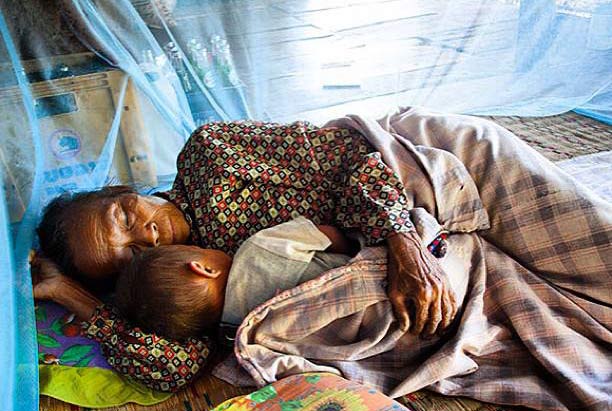
Photo: The Global Fund to Fight AIDS, Tuberculosis and Malaria
Support Our Journalism
We cannot do without you.. your contribution supports unbiased journalism
IBNS is not driven by any ism- not wokeism, not racism, not skewed secularism, not hyper right-wing or left liberal ideals, nor by any hardline religious beliefs or hyper nationalism. We want to serve you good old objective news, as they are. We do not judge or preach. We let people decide for themselves. We only try to present factual and well-sourced news.
Support objective journalism for a small contribution.


