


 Malaria
UN health experts feel more action is needed to beat malaria
Although strong global collaboration has helped to save nearly 13 million lives from malaria over the past 25 years, more action is needed to stamp out the disease.
Ahead of World Malaria Day on Friday, UN health agency WHO is calling for renewed efforts at all levels – from global policy to community action – to accelerate progress towards elimination.
Malaria is spread by some types of mosquitoes and is mostly found in tropical countries. Symptoms – which can be mild or life-threatening – include fever, chills and headache, seizures, and difficulty breathing.
Africa continues to carry a disproportionately high share of the global malaria burden. In 2023, approximately 94 per cent of all cases, and 95 per cent of deaths, occurred in the region. Most deaths, 76 per cent, were among children under five.
Eye on elimination
WHO recalled that during the late 1990s, world leaders adopted effective policies which led to the prevention of more than two billion cases and nearly 13 million deaths since the year 2000.
As a result, 45 countries and one territory have been certified as malaria-free, and many other countries continue along the path towards elimination.
Of the remaining 83 malaria-endemic countries worldwide, 25 reported fewer than 10 cases in 2023.
However, WHO Director-General Tedros Adhanom Ghebreyesus said history has shown that these gains are fragile because “when we divert our attention, the disease resurges, taking its greatest toll on the most vulnerable.”
But history also reveals what is possible, he added. Tedros insisted that “with strong political commitment, sustained investment, multisectoral action and community engagement, malaria can be defeated.”
Net investment
WHO said years of investments in the development and deployment of new malaria vaccines, as well as tools to prevent and control the disease, are paying off.
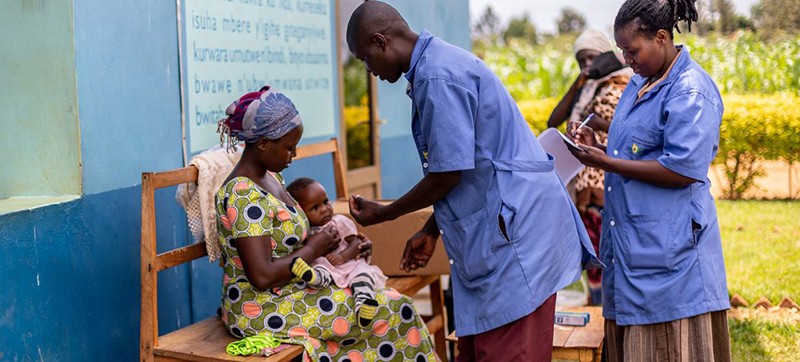
On World Malaria Day, Mali will join 19 other African countries in introducing malaria vaccines, representing a vital step towards protecting young children from one of the deadliest diseases on the continent. It is expected that the large-scale rollout of malaria vaccines in Africa will save tens of thousands of young lives every year.
Meanwhile, the expanded use of a new generation of insecticide-treated mosquito nets is set to make further inroads against the disease.
Progress in peril
Yet, despite significant gains, malaria remains a major public health challenge. Nearly 600,000 deaths occurred in 2023 alone, with the African region hardest hit.
In many areas, progress has been hampered by fragile health systems and rising threats such as drug and insecticide resistance, WHO said. Many at-risk groups also continue to miss out on the services needed to prevent, detect and treat malaria.
These challenges are further compounded by climate change, conflict, poverty and displacement, while funding cuts this year could further derail progress in many endemic countries, putting millions of additional lives at risk.
A renewed call
World Malaria Day 2025 is being celebrated under the theme Malaria ends with us: reinvest, reimagine, reignite, and WHO is calling for stepped up political and financial commitment to protect hard-won gains to date.
To reinvest, WHO is joining partners and civil society in calling on malaria-endemic countries to increase domestic spending, particularly in primary healthcare.
The agency is also stressing the need to reignite commitment to help end malaria transmission at all levels – from communities and frontline health workers, to governments, researchers, private sector innovators and donors.
Support Our Journalism
We cannot do without you.. your contribution supports unbiased journalism
IBNS is not driven by any ism- not wokeism, not racism, not skewed secularism, not hyper right-wing or left liberal ideals, nor by any hardline religious beliefs or hyper nationalism. We want to serve you good old objective news, as they are. We do not judge or preach. We let people decide for themselves. We only try to present factual and well-sourced news.
Support objective journalism for a small contribution.


