 Temperature
UN report shows more than 2 billion in cities across the world will be exposed to 0.5ºC rise by 2040
More than two billion people currently living in cities could be exposed to an additional temperature increase of at least 0.5 degrees Celsius by 2040, a new UN report published on Tuesday finds.
“Almost no urban resident will be unaffected, with billions of people subjected to hotter temperatures or exposed to the risks of flooding and other threats,” said Anacláudia Rossbach, Executive Director of UN-Habitat.
The report also highlights a significant funding gap for resilient urban infrastructure.
Cities overall need an estimated $4.5 to $5.4 trillion investment per year to build and maintain climate-resilient systems, yet current financing stands at just $831 billion — only a fraction of the required amount.
This shortfall leaves cities, and especially their most vulnerable populations, exposed to escalating risks.
Impacts on the most vulnerable
While climate action in cities is failing to match the scale of the challenges faced, those most at risk are “also those already facing persistent and chronic structural inequalities”, Ms. Rossbach said.
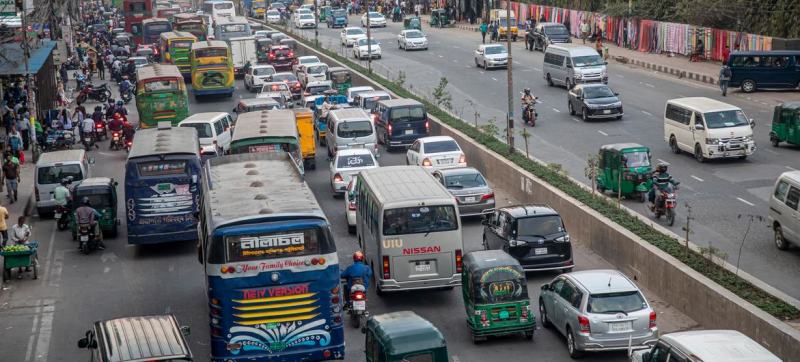
“Informal settlements and slums – typically situated in environmentally sensitive areas and lacking in protective infrastructure – often bear the brunt of climate related disasters or extreme events,” she emphasised.
She added that these vulnerable communities are not only more exposed to risk in the first place but also less likely to receive support once a shock does occur.
“Accelerated transformation of slums and informal settlements, as well as addressing the needs of the most vulnerable territories in cities is thus a priority,” she underscored.
Shrinking green spaces
The pressures of poorly managed growth have also resulted in the steady attrition of green space in many urban areas, with the average share in urban areas worldwide falling from 19.5 per cent in 1990 to 13.9 per cent in 2020.
Even more troubling is the evidence of climate interventions that have either failed to protect the most vulnerable communities or made their situation worse.
These instances include so-called “green gentrification”, when beneficial measures such as the creation of parks either result in the direct displacement of poor households or push up property values, effectively pricing them out.
Emissions dividend
However, despite the complex barriers cities face amid the deepening climate emergency, the report also highlights the importance of seeing urban areas not just as part of the problem, but part of the solution too.
“With bold investments and good planning and design, cities offer immense opportunities to slash greenhouse gas emissions, adapt to the effects of climate change and sustainably support urban populations,” said UN Secretary-General António Guterres in the report’s foreword.
He noted that hundreds of cities are “leading the way by expanding inclusive green spaces, reducing emissions through smart planning and building and investing in renewable energy to power civic services like transportation networks”.
The report is calling for a sharper urban focus to advance ambitious national commitments, highlighting the importance of aligning climate action with broader development goals, such as improved services, settlement upgrading, poverty reduction and public health.
Support Our Journalism
We cannot do without you.. your contribution supports unbiased journalism
IBNS is not driven by any ism- not wokeism, not racism, not skewed secularism, not hyper right-wing or left liberal ideals, nor by any hardline religious beliefs or hyper nationalism. We want to serve you good old objective news, as they are. We do not judge or preach. We let people decide for themselves. We only try to present factual and well-sourced news.
Support objective journalism for a small contribution.