October 05, 2026 10:07 am (IST)

Follow us:


UN urges greater action to curb alcohol-related deaths
New York, May 13 (IBNS): More than three million deaths in 2012 were linked to alcohol with a steady increase in alcohol use among women, the United Nations health agency on Monday reported calling on Governments to do more to prevent alcohol-related deaths and diseases.
The “Global status report on alcohol and health 2014” found that alcohol consumption increases people’s risk of developing more than 200 diseases including liver cirrhosis and some cancers, as well as making people more susceptible to infectious diseases such as tuberculosis and pneumonia.
“More needs to be done to protect populations from the negative health consequences of alcohol consumption,” said Oleg Chestnov, World Health Organization (WHO) Assistant Director-General for Noncommunicable Diseases and Mental Health.
He added that the report shows “there is no room for complacency” to stop harmful drinking which in addition to dependence, can lead to violence and injuries.
In 2012, about 3.3 million deaths, or 5.9 per cent of all global deaths, were attributable to alcohol consumption, WHO reported.
On average every person in the world aged 15 years or older drinks 6.2 litres of pure alcohol per year. But as only about 38 per cent of the population actually drinks alcohol, this means that those who do drink consume on average 17 litres of pure alcohol annually.
“We found that worldwide about 16 per cent of drinkers engage in heavy episodic drinking – often referred to as ‘binge-drinking’ – which is the most harmful to health,” explained Shekhar Saxena, Director for Mental Health and Substance Abuse at WHO.
The report based its findings on country profiles for alcohol consumption in 194 WHO member States, as measured by the total volume of alcohol consumed and the pattern of drinking, along with public health and policy responses.
The report found that lower-income groups are more affected by the social and health consequences of alcohol, often lacking quality health care and the protection of functional family or community networks.
The authors also noted that there is concern over the steady increase in alcohol use among women. Women may be more vulnerable to some alcohol-related health conditions compared to men, even though men’s deaths are more highly linked with alcohol than women’s, at 7.6 per cent versus 4 per cent.
Geographically, Europe remains the region with the highest consumption of alcohol per capita, in particular in Russia. The report authors reported increases in drinking in parts of South-East Asia and the Western Pacific regions. Alcohol consumption has remained steady for the past five years in Africa and the Americas, with risky patterns of drinking prevalent in Mexico and southern African countries.
Among the recommendations in the report, WHO called for national leadership to develop policies to reduce alcohol use and national awareness-raising activities, as well as prevention and treatment services.
One of the most effective strategies for reducing consumption of alcohol at the population level was through increasing alcohol prices, usually accomplished by raising alcohol tax.
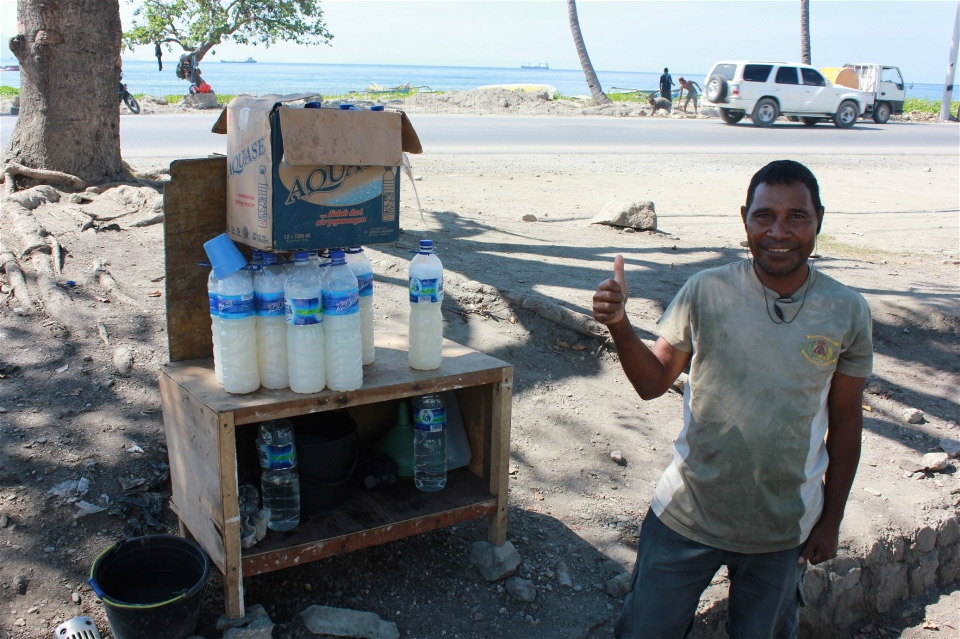
(Local palm wine, tua mutin, sold along roadside in Timor-Leste. WHO is urging greater national action to curb alcohol-related deaths and diseases. Photo: IRIN/Meagan Weymes)
Support Our Journalism
We cannot do without you.. your contribution supports unbiased journalism
IBNS is not driven by any ism- not wokeism, not racism, not skewed secularism, not hyper right-wing or left liberal ideals, nor by any hardline religious beliefs or hyper nationalism. We want to serve you good old objective news, as they are. We do not judge or preach. We let people decide for themselves. We only try to present factual and well-sourced news.
Support objective journalism for a small contribution.



Latest Headlines
Life expectancy is rising again after COVID-19 shock: WHO reveals global health comeback
Sat, Oct 03 2026
From physiotherapy to AI, robotics: MRCCon 2026 highlights how medical rehabilitation has transformed in 27 years
Fri, Oct 02 2026
Study finds chewing tobacco linked to 2.5 lakh deaths worldwide; India among worst-affected countries
Fri, Oct 02 2026
Kolkata's Desun Hospital's Cardio Care Walkathon daws 200 participants on World Heart Day
Fri, Oct 02 2026
Insomnia is more than just sleepless nights: Study finds higher stroke, dementia risk
Tue, Sep 29 2026
Manipal Hospital Dhakuria hosts ‘Heart of Innovation Cardiac Summit’ ahead of World Heart Day
Mon, Sep 28 2026
Eating with your partner could lower blood sugar spikes, study finds
Sun, Sep 27 2026