October 05, 2026 08:39 am (IST)

Follow us:


UN urges research on animals in spreading MERS virus
New York, May 24 (IBNS): Health experts and veterinarians called for stepped-up monitoring, investigations and immediate reporting of cases of the Middle East Respiratory Syndrome Coronavirus (MERS-CoV) during a meeting convened by the Food and Agricultural Organization (FAO) in Oman.
The infection – which has caused numerous human illnesses and deaths – was spotlighted at the regional consultation convened by FAO and the Ministry of Agriculture and Fishery of Oman, where experts revealed that the origins of the illness may be linked to animals.
“It is vitally important for the international community to increase our understanding of ‘where’ and ‘how’ the virus is transmitted, ‘who’ the source is – whether animal or human – and ‘when’ and ‘why’ certain people are spreading the virus,” said Juan Lubroth, FAO’s Chief Veterinary Officer.
Participants drew attention to the “recent upsurge in human cases in the Arabian Peninsula and the suspected zoonotic transmission involving, in particular, dromedary camels.”
“There is an urgent need to focus investigations on the epidemiology of MERS-CoV in animal species, to prevent human primary infections and to avoid putting other people in danger,” Lubroth pressed.
In a bid to keep the infection from spreading, a declaration warned public health and veterinary authorities to carry out coordinated investigations and share information and results.
The experts agreed on a list of specific recommendations to increase knowledge about the transmission of the virus to humans and to minimize its impact on animal and human health – as well as agriculture and livestock-related livelihoods.
“By better understanding the epidemiology, we can provide the necessary guidelines to avoid spillover from animals to humans and protect the camel or other animal industries from potential negative consequences,” explained Lubroth.
As of 21 May, MERS had led to over 630 laboratory-confirmed illnesses among humans and more than 190 deaths since 2012, according to the World Health Organization (WHO). It has affected people primarily in the Kingdom of Saudi Arabia, but cases have also been reported in the United Arab Emirates, Qatar, Jordan, Oman and Yemen.
Other cases reported in Asia, North Africa, Europe and North America have been linked to travel or work in the Middle East region, reflecting the role that the speed of global travel can potentially play in the spread of disease agents.
The majority of cases have occurred through human-to-human transmission, however it remains to be determined if people may have been infected by contact with environmental or animal sources.
Lubroth emphasized, “participants in the MERS consultation agreed that there is also a vital need to raise awareness among the public at large about the importance of seeking medical attention, the nature of the disease, and ways to avoid it.”
The recommendations, which focus on the potential link with camels or other animal sources, counsel that priorities be given to raising public awareness of MERS-CoV; urgent investment in research and surveillance of animals; the systematic search for potential sources of human infection from animal sources or the environment; and joint efforts and coordination among public health authorities.
Coronaviruses – widespread in animals – can infect livestock and a wide range of wild species, including bats, rodents and birds.
According to FAO, some studies have revealed that that MERS-CoV has been circulating in camels in Saudi Arabia since at least 1992. Genetic evidence of the infection was found in camel samples from a farm in Qatar and in other studies in Egypt and Saudi Arabia.
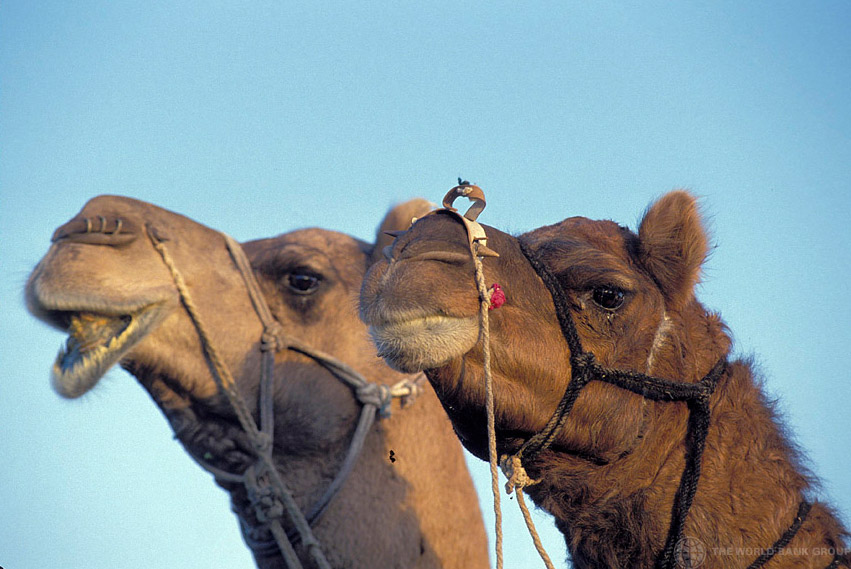
(Camels in particular are suspected in spreading the MERS virus. Photo: World Bank/Curt Carnemark)
Support Our Journalism
We cannot do without you.. your contribution supports unbiased journalism
IBNS is not driven by any ism- not wokeism, not racism, not skewed secularism, not hyper right-wing or left liberal ideals, nor by any hardline religious beliefs or hyper nationalism. We want to serve you good old objective news, as they are. We do not judge or preach. We let people decide for themselves. We only try to present factual and well-sourced news.
Support objective journalism for a small contribution.



Latest Headlines
Life expectancy is rising again after COVID-19 shock: WHO reveals global health comeback
Sat, Oct 03 2026
From physiotherapy to AI, robotics: MRCCon 2026 highlights how medical rehabilitation has transformed in 27 years
Fri, Oct 02 2026
Study finds chewing tobacco linked to 2.5 lakh deaths worldwide; India among worst-affected countries
Fri, Oct 02 2026
Kolkata's Desun Hospital's Cardio Care Walkathon daws 200 participants on World Heart Day
Fri, Oct 02 2026
Insomnia is more than just sleepless nights: Study finds higher stroke, dementia risk
Tue, Sep 29 2026
Manipal Hospital Dhakuria hosts ‘Heart of Innovation Cardiac Summit’ ahead of World Heart Day
Mon, Sep 28 2026
Eating with your partner could lower blood sugar spikes, study finds
Sun, Sep 27 2026