


 WaterShortage
UNICEF: Time is of the essence, as water shortages compound desperate situation in Beirut
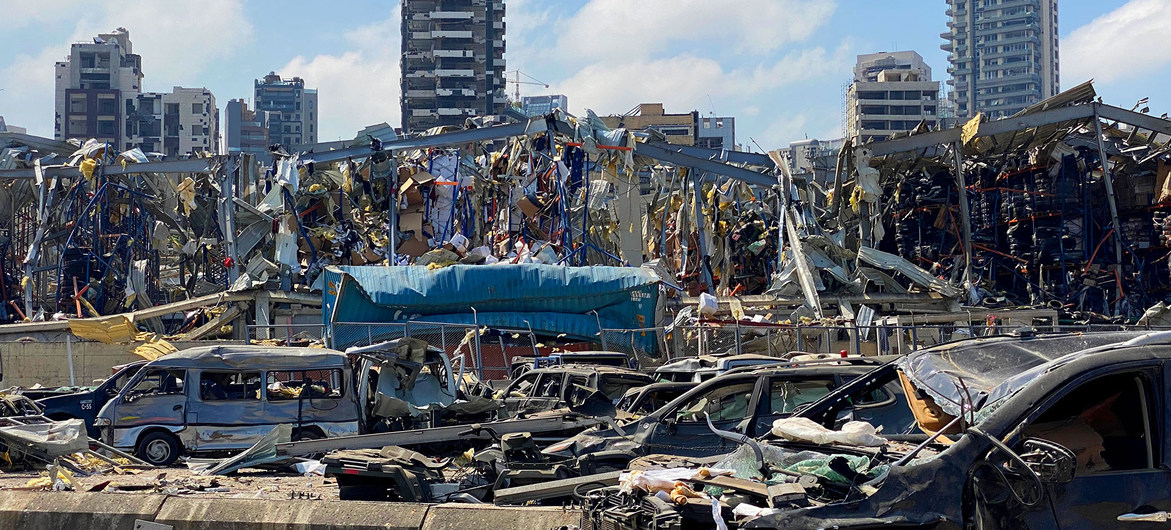
New York: Risk of water-borne diseases is rising in Beirut, in the aftermath of the devastating explosion in early August, the UN Children’s Fund (UNICEF) has warned, calling for urgent action to ensure families and responders have access to safe water and sanitation.
Rising cases of COVID-19 is complicating an already difficult situation, according to the head of the UNICEF office in Lebanon.
“As COVID-19 cases continue to surge, it is more critical than ever to ensure that children and families whose lives were turned upside down by the explosion have access to safe water and sanitation,” said Yukie Mokuo, UNICEF Lebanon Representative.
The situation is particularly distressing for some 300,000 people – including around 100,000 children – whose homes were damaged or destroyed in the blast. “When communities don’t have access to this critical necessity, the risk of water-borne diseases, as well as COVID-19, can skyrocket,” she added.
Though public water sustained only minor damage and remains mostly functional, the explosion cut off more than one hundred buildings from the water supply network and damaged the water systems in over 500 others. This compounded an already precarious situation in terms of access to safe water and sanitation in the greater Beirut area.
UNICEF response
In the immediate aftermath of the 4 August explosion, UNICEF along with partners and water authorities assessed the damage to water infrastructure and began responding to pressing needs, supporting repairs where needed.
UNICEF and partners also reconnected over one hundred buildings to the public water system and installed 570 water tanks in damaged ones, trucked water for households, provided water to first responders, and distributed over 4,300 hygiene and 620 baby kits to affected families.
UNICEF is also providing training and resources to equip thousands of young people across Lebanon with the skills they need to help rebuild their country, including training on repairs and maintenance of critical water and sanitation infrastructure.
Ensuring people can wash hands safely, against COVID
Making sure communities can wash hands with soap and safe water is also vital to protect against coronavirus.
“One of our immediate priorities was ensuring that children and families affected, as well as critical frontline responders, had access to safe water,” said Ms. Mokuo, adding:
“Working with the relevant authorities and our partners we’ve been able to reach more than 6,650 children and their families, but there is so much more to do, and time is of the essence.”
Support Our Journalism
We cannot do without you.. your contribution supports unbiased journalism
IBNS is not driven by any ism- not wokeism, not racism, not skewed secularism, not hyper right-wing or left liberal ideals, nor by any hardline religious beliefs or hyper nationalism. We want to serve you good old objective news, as they are. We do not judge or preach. We let people decide for themselves. We only try to present factual and well-sourced news.
Support objective journalism for a small contribution.


