


 Weather Disaster
Weather-related disasters displace 43.1 million children in six years, UNICEF reports
Weather-related disasters forcibly displaced a staggering 43.1 million children across 44 countries over the past six years, the UN Children’s Fund (UNICEF) said on Friday.
That figure translates to an alarming average of 20,000 children uprooted every day.
The findings are contained in UNICEF’s latest report, Children Displaced in a Changing Climate, the first ever global analysis of child displacements caused by floods, storms, droughts and wildfires. It also projects future trends for the next three decades.
Catherine Russell, UNICEF Executive Director, emphasized the scale of the crisis.
“It is terrifying for any child when a ferocious wildfire, storm or flood barrels into their community,” she said.
“For those who are forced to flee, the fear and impact can be especially devastating, with worry of whether they will return home, resume school, or be forced to move again … As the impacts of climate change escalate, so too will climate-driven movement,” she added.
The head of UNICEF called for urgent action to prepare communities, protect children at risk of displacement, and support those already uprooted.
Country situations
China and the Philippines topped the list in terms of the absolute number of child displacements, largely due to their exposure to extreme weather events, substantial child populations, and improved early warning and evacuation capabilities, according to UNICEF.
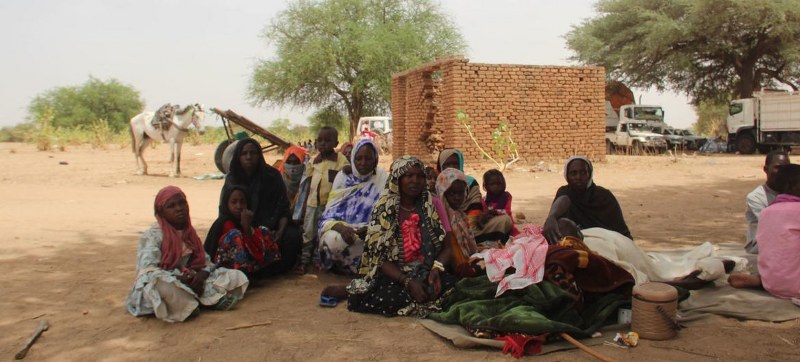
However, when considering the proportion of displaced children relative to the child population, small island States such as Dominica and Vanuatu were the most severely affected by storms, while Somalia and South Sudan bore the brunt of flooding-related displacements.
Haiti, which is already at high risk of disaster-related child displacement, also faces violence and poverty, with limited investments in risk mitigation and preparedness, and in Mozambique, the poorest communities, including those in urban areas, bear the disproportionate brunt of extreme weather events.
Reasons for displacement
Of the recorded child displacements between 2016 and 2021, floods and storms accounted for a staggering 40.9 million, or 95 per cent. This was due in part to better reporting and preemptive evacuation efforts. Droughts triggered more than 1.3 million internal displacements of children, with Somalia again among the most affected
Wildfires were responsible for 810,000 child displacements, with more than a third occurring in 2020 alone, and mostly in Canada, Israel and the United States.
Call to action
As countries gear up for the COP28 climate conference in November, UNICEF is urging governments, development partners and the private sector to take immediate action in protecting children and young people who are vulnerable to future displacement.
The UN also called on governments to prepare children and young people to live in a climate-changed world by improving resilience and ensuring their participation in finding inclusive solutions.
UNICEF further highlighted the need to prioritize children and young people, including those who have already been uprooted from their homes, in policies and investments to prepare for a future already happening.
“We have the tools and knowledge to respond to this escalating challenge for children, but we are acting far too slowly. We need to strengthen efforts to prepare communities, protect children at risk of displacement, and support those already uprooted,” Ms. Russell said.
Support Our Journalism
We cannot do without you.. your contribution supports unbiased journalism
IBNS is not driven by any ism- not wokeism, not racism, not skewed secularism, not hyper right-wing or left liberal ideals, nor by any hardline religious beliefs or hyper nationalism. We want to serve you good old objective news, as they are. We do not judge or preach. We let people decide for themselves. We only try to present factual and well-sourced news.
Support objective journalism for a small contribution.


