


 Diabetes
WHO alerts diabetes is on the rise
One hundred years after the discovery of insulin, millions of people with diabetes around the world still cannot access the care they need, risking severe complications, WHO warned on Tuesday’s World Diabetes Day.
Diabetes is a chronic disease which occurs when the pancreas does not produce enough insulin, or when the body cannot effectively use the insulin it produces.
WHO said that more than 460 million people worldwide live with diabetes and millions more are at risk.
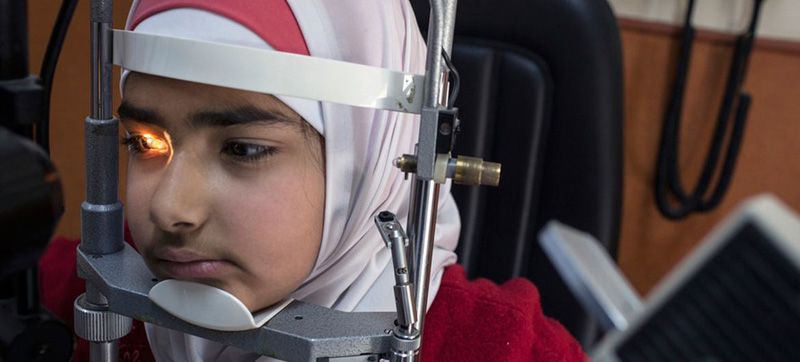
The UN health agency stressed that people with the condition require ongoing care and support to manage it and avoid complications, which can include blindness, kidney failure, heart attack, stroke and lower limb amputation.
While type 1 diabetes is not preventable, maintaining a healthy diet, physical activity and avoiding tobacco use can prevent or delay type 2 diabetes.
WHO warned that the global prevalence of the disease has nearly doubled since 1980, rising from 4.7 per cent to 8.5 per cent in the adult population.
The UN health agency said that this reflects an increase in associated risk factors such as being overweight or obese. Over the past decade, diabetes prevalence has risen faster in low and middle-income countries than in high-income countries.
Support Our Journalism
We cannot do without you.. your contribution supports unbiased journalism
IBNS is not driven by any ism- not wokeism, not racism, not skewed secularism, not hyper right-wing or left liberal ideals, nor by any hardline religious beliefs or hyper nationalism. We want to serve you good old objective news, as they are. We do not judge or preach. We let people decide for themselves. We only try to present factual and well-sourced news.
Support objective journalism for a small contribution.


