


 WHO
WHO
WHO report suggest record spike in sexually transmitted infections
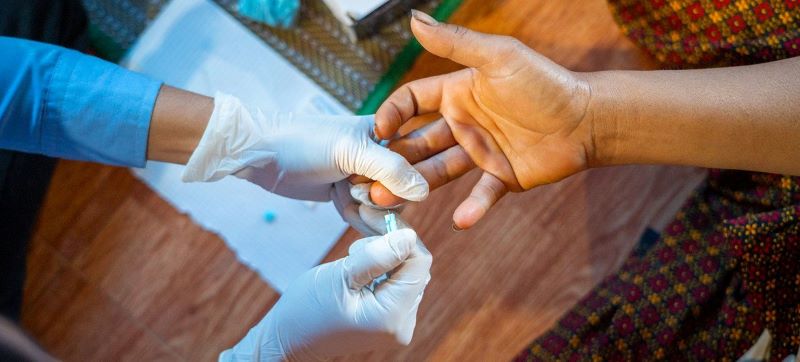
Sexually transmitted infections (STIs) such as syphilis are on the rise in most regions of the world, UN health agency WHO said in a new report on Tuesday.
HIV, viral hepatitis and sexually transmitted infections continue as significant public health challenges globally and cause 2.5 million deaths each year:
New syphilis cases among adults aged 15-49 increased by over one million in 2022, reaching eight million, and there were 230,000 syphilis-related deaths.
The highest increases occurred in the Americas and Africa.
Health targets at risk
The report warned that the increase in STIs, combined with insufficient decline in the reduction of new HIV and viral hepatitis infections globally, threatens health targets which are part of the Sustainable Development Goals (SDGs).
WHO Director-General Tedros Adhanom Ghebreyesus said the rising incidence of syphilis raises major concerns.
“Fortunately, there has been important progress on a number of other fronts including in accelerating access to critical health commodities including diagnostics and treatment,” he added.
Multi-resistant gonorrhea
Syphilis is one of four curable STIs which together account for over one million infections daily. The others are gonorrhea, chlamydia and trichomoniasis.
During the COVID-19 pandemic, countries saw a surge in both adult and maternal syphilis - 1.1 million cases, and associated congenital syphilis, with 523 cases per 100,000 live births per year.
New data also show an increase in multi-resistant gonorrhoea. WHO reported that as 2023, out of 87 countries where enhanced gonorrhoea antimicrobial resistance surveillance was conducted, nine reported elevated levels of resistance to the drug ceftriaxone, described as the “last line of treatment”.
WHO is monitoring the situation and has updated its recommended treatment in efforts to reduce spread.
Hepatitis and HIV
Roughly 1.2 million new hepatitis B cases and nearly one million new hepatitis C cases were reported in 2022. The estimated number of deaths from viral hepatitis rose from 1.1 million in 2019 to 1.3 million in 2022 despite effective prevention, diagnosis, and treatment tools.
Meanwhile, new HIV infections only declined from 1.5 million in 2020 to 1.3 million in 2022.
WHO said five key groups — men who have sex with men, people who inject drugs, sex workers, transgender individuals, and individuals in prisons and other closed settings — still experience significantly higher HIV prevalence rates than the general population.
HIV-related deaths continue to be high, with 630,000 occurring in 2022, 13 per cent of which were among children 15 and younger.
Silver lining
The report also highlights gains in expanding services for STIs, HIV and hepatitis.
WHO has validated 19 countries for eliminating mother-to-child transmission of HIV and/or syphilis, reflecting investments in testing and treatment coverage for these diseases among pregnant women.
The agency said Namibia is on track to become the first country to be evaluated for the triple elimination of mother-to-child transmission of HIV, hepatitis B and syphilis.
Support Our Journalism
We cannot do without you.. your contribution supports unbiased journalism
IBNS is not driven by any ism- not wokeism, not racism, not skewed secularism, not hyper right-wing or left liberal ideals, nor by any hardline religious beliefs or hyper nationalism. We want to serve you good old objective news, as they are. We do not judge or preach. We let people decide for themselves. We only try to present factual and well-sourced news.
Support objective journalism for a small contribution.


