


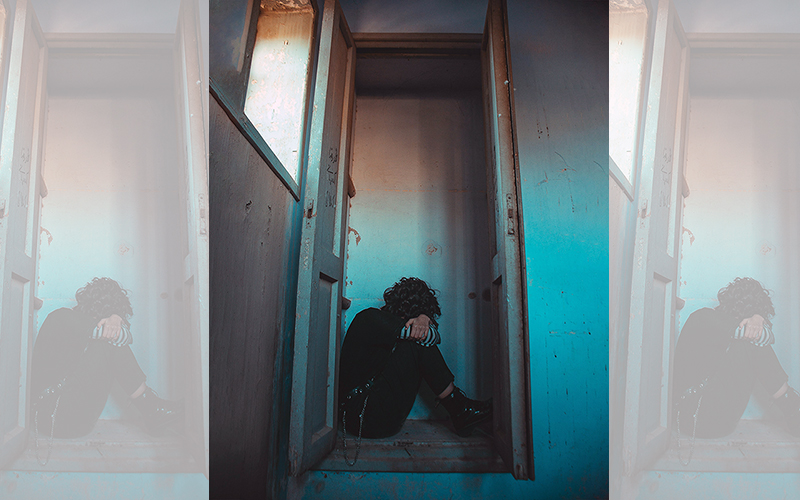
 Women Depression
Women are 40% more likely to experience depression during the perimenopause, study shows
Women are 40% more likely to experience depression in the perimenopause than those who aren’t experiencing any menopausal symptoms, finds a new study led by UCL researchers.
The research, published in the Journal of Affective Disorders, provided a meta-analysis of seven studies involving 9,141 women from across the world (including Australia, USA, China, Netherlands and Switzerland), to understand whether different stages of the menopause were associated with different risk of depression.
The perimenopause usually occurs around three to five years before the onset of menopause. During this stage women’s oestrogen and progesterone levels begin to fluctuate, causing them to experience mood changes, irregular menstrual cycles and other menopausal symptoms, including increased feelings of depression.
This stage of the menopause continues until one year after a woman’s last period and can often last for between four and eight years in total.
The researchers found that perimenopausal women had a significantly higher risk (around 40%) of experiencing depressive symptoms and being diagnosed with depression compared to premenopausal women.
There was no significant increase in depression risk for post-menopausal women compared to those who were premenopausal.
Symptoms were measured using standardised, internationally recognised self-report instruments, including the Patient Health Questionnaire PHQ-9 (which considers factors such as a lack of interest in doing things, issues with sleep, and feelings of low mood).
Senior author Dr Roopal Desai (UCL Psychology & Language Sciences) said: “This study shows that women in the perimenopausal stage are significantly more likely to experience depression than either before or after this stage.
“Our findings emphasise the importance of acknowledging that women in this life-stage are more vulnerable to experiencing depression. It also underlines the need to provide support and screening for women to help address their mental health needs effectively.”
The new study comes shortly after the researchers’ previous publication*, which found that therapy – such as mindfulness and cognitive behavioural therapy - could be an effective form of treatment for non-physical symptoms of the menopause.
Corresponding author, Professor Aimee Spector (UCL Psychology & Language Sciences), said: “Women spend years of their lives dealing with menopausal symptoms that can have a huge impact on their wellbeing and quality of life.
“Our findings show just how significantly the mental health of perimenopausal women can suffer during this time. We need greater awareness and support to ensure they receive appropriate help and care both medically, in the workplace and at home.”
Lead author and UCL Masters student, Yasmeen Badawy (UCL Psychology & Language Sciences) said: “Combining data from global studies indicates that these findings cannot be attributed to cultural factors or lifestyle changes alone which have been sometimes used to explain the depressive symptoms that women experience during perimenopause.”
Support Our Journalism
We cannot do without you.. your contribution supports unbiased journalism
IBNS is not driven by any ism- not wokeism, not racism, not skewed secularism, not hyper right-wing or left liberal ideals, nor by any hardline religious beliefs or hyper nationalism. We want to serve you good old objective news, as they are. We do not judge or preach. We let people decide for themselves. We only try to present factual and well-sourced news.
Support objective journalism for a small contribution.


