 PoK
PoK
‘Correct your map!’ Pakistani netizens slam US after PoK shown as part of India
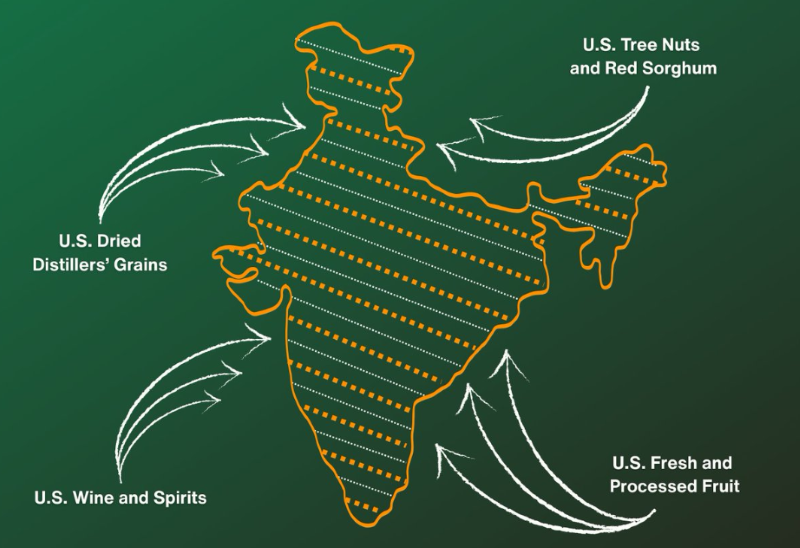
An official social media post by the United States government has sparked debate after it featured a map depicting Jammu and Kashmir as an integral part of India, including the Pakistan-occupied Kashmir (PoK) region.
The map was shared on the US Trade Representative’s Office X handle and clearly demarcated the northern Union Territory of Jammu and Kashmir within Indian territory. The depiction assumes significance amid continued tensions between India and Pakistan over the region.
From tree nuts and dried distillers’ grains to red sorghum and fresh and processed fruit, the U.S.-India Agreement will provide new market access for American products. pic.twitter.com/mqpP10LJp1
— United States Trade Representative (@USTradeRep) February 6, 2026
The development comes at a time when Pakistan’s leadership has been seeking closer engagement with the President Donald Trump-led administration. It also coincides with signs of renewed momentum in India-US ties after months of strain triggered by trade tariffs imposed by Washington on New Delhi.
Meanwhile, India and the United States have finalised a framework for an interim trade deal, days after President Trump announced progress on the long-pending agreement. The framework was concluded after nearly a year of negotiations.
Since returning to the office, Trump had taken a firm stance on trade issues with India, citing concerns over alleged unfair trade practices and New Delhi’s purchase of Russian oil.
As part of the new arrangement, the US has reduced the overall 50 percent tariff—comprising 25 percent counter-tariffs and additional duties linked to Russian oil purchases—to 18 percent, offering relief to Indian exporters.
Under the agreement, India has also indicated its intention to purchase $500 billion worth of US energy products, aircraft and aircraft parts, precious metals, technology goods and coking coal over the next five years.
Map triggers social media debate
The map shared on X quickly triggered reactions from both Indian and Pakistani social media users.
One user commented, “The map of India will give severe heartburn to many.”
Another user, Syed Fida Hussain, wrote, “Kashmir’s status doesn’t change because of an incorrect map. Adding Pakistan-administered Kashmiri territories does not mean they are under the control of the Indian government.”
Ajay, another internet user, remarked, “Oh wow! USA has suddenly remembered the actual map of India. That’s miraculous!”
Lakshaya Agarwal posted, “Very appreciative for using the right map of India.”
A Pakistani social media user responded, “Correct your map, it’s not a map of India.”
The post continues to fuel online discussion amid the broader geopolitical context of India-US relations and regional sensitivities.
Support Our Journalism
We cannot do without you.. your contribution supports unbiased journalism
IBNS is not driven by any ism- not wokeism, not racism, not skewed secularism, not hyper right-wing or left liberal ideals, nor by any hardline religious beliefs or hyper nationalism. We want to serve you good old objective news, as they are. We do not judge or preach. We let people decide for themselves. We only try to present factual and well-sourced news.
Support objective journalism for a small contribution.