 ILO-NCAER
Experts at ILO–NCAER roundtable stress gender-inclusive policies to unlock women’s potential in India's 'platform economy'
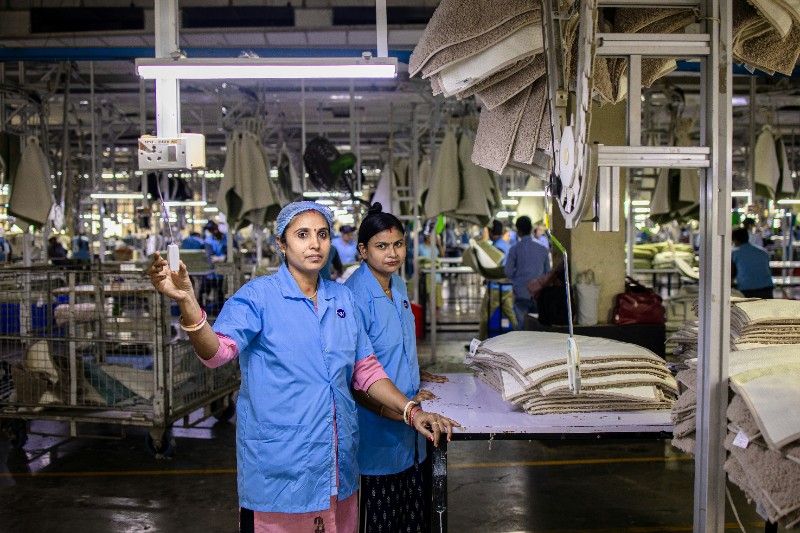
New Delhi/IBNS: Gender-inclusive policies, improved digital access, and stronger social protection mechanisms can significantly boost women’s participation in India’s platform economy, experts said at a high-level roundtable jointly organised by the International Labour Organisation (ILO) and the National Council of Applied Economic Research (NCAER).
Held under the theme “Building Inclusive Economies – Gender, Financial Inclusion, and Platform Workforce,” the roundtable convened senior government officials, ILO representatives, NCAER experts, platform aggregators, and social partners to deliberate on the intersection of gender, financial inclusion, and social protection in the fast-evolving platform ecosystem.
Expanding women’s access to skills, opportunities
Delivering the keynote address, Arvind Virmani, Member, NITI Aayog, underscored the importance of skill development and increased female labour force participation for India’s long-term economic growth.
Echoing this perspective, Vandana Gurnani, Secretary, Ministry of Labour and Employment, said the Government of India remains committed to enhancing women’s participation through progressive policies.
She highlighted the newly notified Labour Codes, which seek to ensure equal opportunities, universal minimum wages, gender-neutral workplaces, and strengthened social security for platform workers.
Addressing gender barriers in financial access
Opening the discussion, Ratna Sahay, Professor and Director of NCAER’s Centre for Gender and the Macroeconomy, said policies must confront gender-based barriers and improve women’s access to financial services.
She emphasised that greater financial inclusion for women contributes to higher economic growth and lower inequality.
ILO Country Director Michiko Miyamoto recognised India’s dynamic platform economy and its globally appreciated business models delivering innovative goods and services.
From the financial sector, Sonali Sengupta, Executive Director at the Reserve Bank of India, noted steady progress in India’s financial inclusion efforts.
She highlighted innovative fintech practices and pointed to the Unified Lending Interface as a tool women can leverage to access credit.
Challenges for women in platform work
NCAER’s Prof Bornali Bhandari said platform work offers women flexibility in working hours, location, and the number of workdays.
However, she identified key barriers, including a lack of access to smartphones, bank accounts, two-wheelers, and entry fees.
Radhicka Kapoor of the ILO highlighted that women face “triple barriers” in the platform economy — barriers to entering, surviving, and thriving in the workforce.
She emphasised that reducing gender gaps in access to financial products is essential for equitable participation.
Mariko Ouchi, Specialist for Social Protection at ILO, outlined the challenges of extending social security to new forms of employment, especially platform workers.
She stressed that social protection is a human right grounded in international conventions and ILO standards.
Gender gaps persist across 'platform ecosystem'
Evidence shared during the session showed significant gender gaps in digital participation.
Women remain underrepresented on location-based platforms, face persistent pay disparities, and are concentrated in lower-paid roles.
Experts concluded that addressing gender-based constraints, improving financial access, and enhancing social protection mechanisms are vital to strengthening women’s role in the platform economy.
Participants agreed that persistent gender gaps in digital access and financial inclusion continue to reinforce disparities in the wider platform workforce.
Support Our Journalism
We cannot do without you.. your contribution supports unbiased journalism
IBNS is not driven by any ism- not wokeism, not racism, not skewed secularism, not hyper right-wing or left liberal ideals, nor by any hardline religious beliefs or hyper nationalism. We want to serve you good old objective news, as they are. We do not judge or preach. We let people decide for themselves. We only try to present factual and well-sourced news.
Support objective journalism for a small contribution.