Raghu Rai, who captured India’s soul, dies at 83
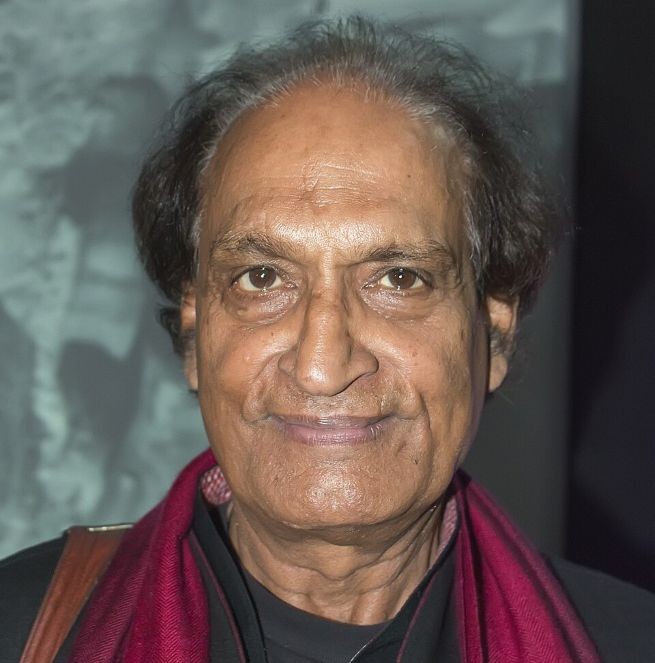
One of India’s most iconic photographers, Raghu Rai, passed away at the age of 83 at a private hospital in Delhi on Sunday.
His son, photographer Nitin Rai, confirmed that he had been battling cancer for the past two years.
“Dad was diagnosed with prostate cancer two years ago but he was cured. Then it spread to the stomach, that too was treated. Recently, the cancer spread to his brain, along with age-related complications,” Nitin Rai told PTI.
A life behind the lens
Born in 1942 in Jhang, Punjab (now in Pakistan), Raghu Rai developed an early interest in photography under the guidance of his elder brother, photographer S Paul.
He began his professional journey in the mid-1960s and joined The Statesman in 1965.
During his early career, Rai captured several defining moments in India’s history. Notably, in 1968, he photographed The Beatles during their visit to the ashram of Maharishi Mahesh Yogi.
Rise to global recognition
In 1976, Rai moved to the magazine Sunday as picture editor. A year later, he was nominated to join the prestigious Magnum Photos by legendary photographer Henri Cartier-Bresson—a milestone that cemented his international stature.
Rai’s work stood out for its humanism and depth, capturing both monumental events and intimate everyday moments with equal sensitivity.
From documenting the aftermath of the Bhopal gas disaster to photographing political leaders, spiritual figures, and ordinary citizens, his images offered a powerful narrative of India’s evolving identity.
Beyond photojournalism, Rai also worked on long-term personal projects, focusing on cities like Delhi, Kolkata, and Varanasi, as well as iconic figures such as Indira Gandhi, whose life he documented extensively.
His ability to blend artistry with journalism made his work both visually compelling and historically significant.
He is survived by his family, including his son Nitin Rai. With his passing, India loses not just a photographer, but a chronicler of its soul—someone who captured the country’s chaos, beauty, and contradictions with unmatched clarity and compassion.
Support Our Journalism
We cannot do without you.. your contribution supports unbiased journalism
IBNS is not driven by any ism- not wokeism, not racism, not skewed secularism, not hyper right-wing or left liberal ideals, nor by any hardline religious beliefs or hyper nationalism. We want to serve you good old objective news, as they are. We do not judge or preach. We let people decide for themselves. We only try to present factual and well-sourced news.
Support objective journalism for a small contribution.