 Pakistan
Pakistan needs to rethink its drug strategy, and fast
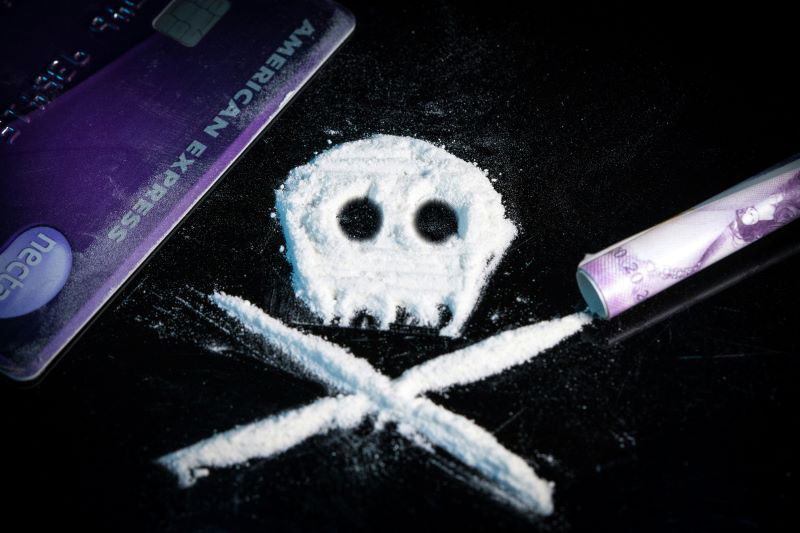
In an increasingly globalized world, the illicit drug market continues to flourish, casting long, dark shadows over nations worldwide.
Valued at over $400 billion, this market not only destabilizes regions but also devastates countless lives and communities. Particularly in Pakistan, the impact of this crisis is profound and multifaceted, calling for an urgent and holistic response.
Pakistan stands at a crossroads, heavily influenced by its geographical positioning within the Golden Crescent.
This region, notorious as a hub for the opium and heroin trade, sees drugs not just as commodities, but as geopolitical tools, manipulated amidst regional conflicts and the controlling hands of entities like the Afghan Taliban.
The repercussions are severe—both domestically and internationally—with a staggering $30 billion worth of illicit drugs flowing through Pakistan from Afghanistan as recently as a decade ago.
The situation on the ground is dire. According to a 2013 United Nations report, 6.7 million Pakistani adults engaged in drug use, with cannabis topping the list.
This uptick in drug use coincides with an increase in related health crises, including hepatitis C and HIV, particularly among intravenous drug users.
This alarming trend underscores the critical need for robust public health strategies and comprehensive substance abuse interventions.
However, despite these glaring issues, efforts to stem the tide of drug abuse and trafficking are painfully inadequate.
The innovative methods employed to peddle drugs, such as the use of drones to transport substances across borders, highlight a sophisticated and adaptive illegal drug trade.
This not only perpetuates the cycle of abuse and trafficking but also hampers effective control measures.
The Anti-Narcotics Force (ANF) in Pakistan, evolving since its inception in 1957, has made significant strides in combating this menace. Its efforts to dismantle poppy farming and curb trafficking are commendable.
Yet, the problem persists at an alarming scale, with approximately 700 drug overdose deaths daily and millions grappling with addiction.
Treatment facilities in Pakistan face their own set of challenges. From inadequate infrastructure and a shortage of skilled professionals to a lack of specialized training and programs in drug addiction psychiatry, the sector is in desperate need of reform.
It is concerning that in the 21st century, Pakistan still has not recognized drug addiction and rehabilitation as official sub-specialties in psychiatry.
Moreover, the general hesitancy to adopt contemporary, evidence-based approaches to addiction treatment and overdose prevention, such as the use of medications that can prevent relapses, is worrying.
Hospitals and pathology labs rarely conduct essential tests like breathalyzers and drug screenings, and advanced techniques such as GC-MS are seldom employed.
Given these challenges, it is imperative that Pakistan adopts a unified and innovative strategy to address this crisis.
This strategy should include stringent regulation, improved medical training, a thorough revision of public health initiatives, and a robust, uniform approach to addiction treatment.
The cost of inaction is too high. With thousands dying each year from drug-related issues and millions more suffering, the need for action has never been more urgent.
It is time for Pakistan to embrace a future where drug addiction is not only managed but prevented.
A comprehensive, coordinated policy approach, backed by the political will and resources necessary, can pave the way for a healthier, safer future for all Pakistanis, and the entire region.
(Text courtesy: Khalsavox.com)
Support Our Journalism
We cannot do without you.. your contribution supports unbiased journalism
IBNS is not driven by any ism- not wokeism, not racism, not skewed secularism, not hyper right-wing or left liberal ideals, nor by any hardline religious beliefs or hyper nationalism. We want to serve you good old objective news, as they are. We do not judge or preach. We let people decide for themselves. We only try to present factual and well-sourced news.
Support objective journalism for a small contribution.