 Pakistan
Pakistan remains one of the most dangerous countries for women
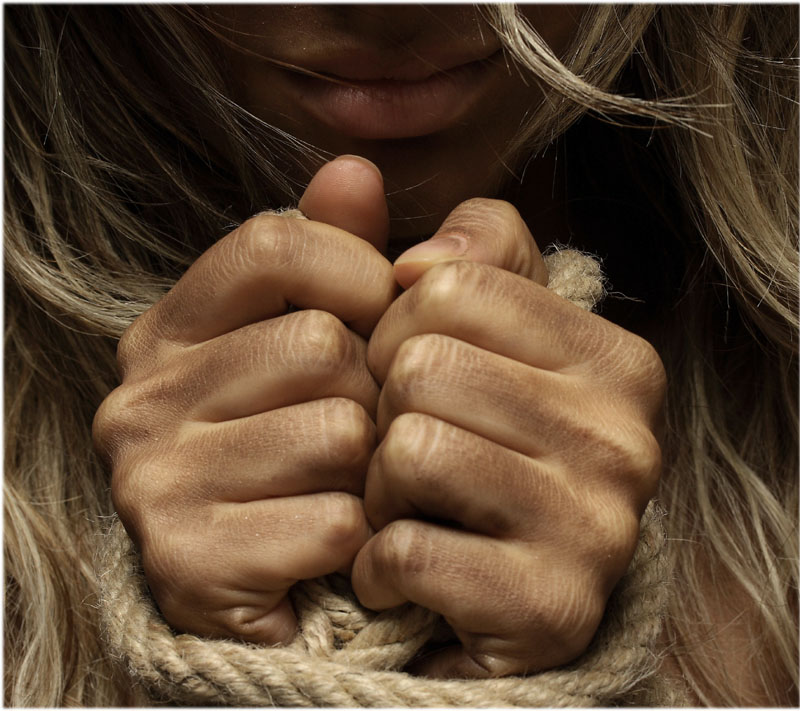
Women in Pakistan are in the pits, beaten at home, raped at home and outside, kept away from jobs and schools and remain one of the most oppressed segments of the country.
In statistical terms, 48% of women are illiterate, 79% are not part of the workforce and only 10% of the total female population have any agency to make decisions about their own health.
Pakistan remains at the bottom of the Global Gender Gap Index 2022 which means there is hardly any equality between what the men want and get in Pakistan and women.
It means almost half of the 241.5 million people are women and half of them have no access to education, employment and health services.
The numbers are in millions.
Women are hardly found in the labour force and even in the National Assembly, their numbers are insignificant.
In 2022, there was a significant fall in women’s participation in the labour force. Pakistan is the country where women have the smallest share of senior, managerial and legislative roles at a mere 4.5pc.
On average, a Pakistani woman’s income is 16.3 percent of a man’s income. Violence has kept more women indoors than other reasons.
Even then, violence inside the four-walls of home have been higher in Pakistan, in the name of honour mostly.
A few years ago, a survey found that 16.2% of women aged 15-49 years reported being subjected to physical and sexual violence by former and present partners.
According to a UN report, about 34 per cent of ever-married women have experienced spousal physical, sexual, or emotional violence.
Rape, murder, acid attacks, domestic violence, and forced marriage are serious issues.
It is estimated that about 1,000 women are killed in so-called honour killings every year.
Data from domestic violence helplines across Pakistan indicated that cases of domestic violence increased 200 percent in the recent years.
About 37% of girls are out of school in Pakistan with free school admission and provision of free education up to secondary level as well as meeting the food, education and health needs of girls and women.
Child marriage is a serious problem in Pakistan, with 21 percent of girls marrying before age 18, and 3 percent marrying before 15.
Women from religious minority communities remain vulnerable to abductions, rape and forced conversions.
Instead of helping hapless young women, the government has done everything to help the accused.
Child sexual abuse is today a common problem across Pakistan. A children’s rights organisation, Sahil, has consistently reported a high number of daily cases of child sexual abuse across Pakistan.
Official data shows that a total of 3,852 cases include reported cases of child sexual abuse (CSA), cases of abduction, cases of missing children and cases of child marriages.
The data shows that more than 10 children have been abused per day during the year 2021.
The cases of child abuse have increased by more than 30% as compared to the year 2020.
The gender divide shows that out of the total reported cases of child abuse, 54% of victims were girls and 46% were boys.
It is therefore not surprising that human rights activists have labelled Pakistan as the sixth most dangerous country for women in the world.
Support Our Journalism
We cannot do without you.. your contribution supports unbiased journalism
IBNS is not driven by any ism- not wokeism, not racism, not skewed secularism, not hyper right-wing or left liberal ideals, nor by any hardline religious beliefs or hyper nationalism. We want to serve you good old objective news, as they are. We do not judge or preach. We let people decide for themselves. We only try to present factual and well-sourced news.
Support objective journalism for a small contribution.