 Punjab
Punjab’s Poetic Power: Building bridges with words
Punjab, a region that spans both sides of the India-Pakistan border, is a melting pot of various cultures and religions. Despite the political tensions and historical animosity, Punjab’s shared heritage, particularly its language and literature, can serve as a potent bonding agent in building bridges of peace across the border.
Punjabi, the official language of Punjab, is spoken by more than 100 million people worldwide. It is one of India and Pakistan’s most widely spoken languages, and it has played a significant role in shaping both countries’ cultural identity. At its core, Punjabi is a language that celebrates the human experience, emphasising love, peace, and brotherhood, values central to Hinduism and Islam, the two major religions of the region.
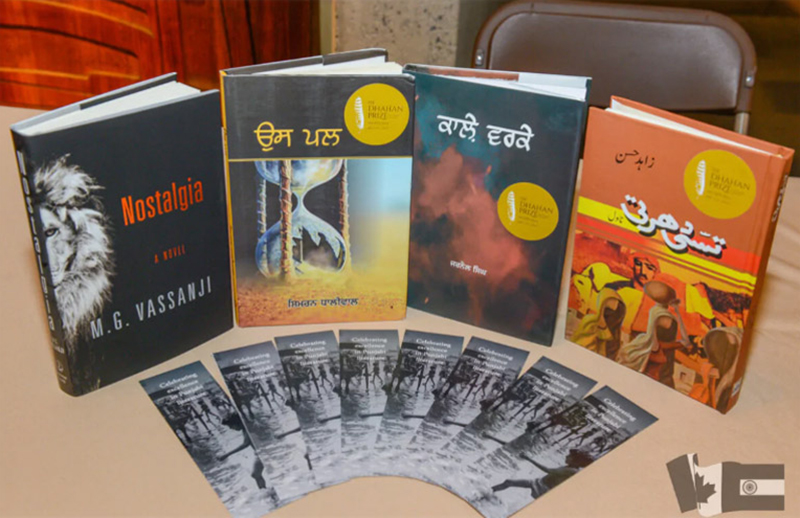
Punjabi literature is equally diverse and rich, with a long and illustrious tradition that dates back several centuries. Sufi poetry, folk literature, and modern-day literature written in Punjabi Shahmukhi (Pakistan) and Punjabi Gurmukhi (India) have shaped the Punjabi literary landscape.
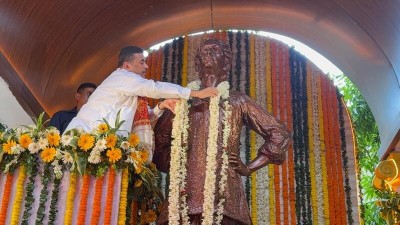
The works of prominent Punjabi writers such as Waris Shah, Bulleh Shah, Amrita Pritam, and Shiv Kumar Batalvi resonate across both sides of the border. Their poetry and prose encapsulate the shared experiences of Punjabis, regardless of their nationality or religion. Moreover, their writings have given voice to the people, highlighting the struggles, triumphs, and aspirations of the region’s diverse communities.
Moreover, the literary works of many Punjabi writers, poets, and playwrights have been translated into various languages, including English, French, Spanish, and German, making them accessible to readers across the globe. By showcasing the region’s cultural richness and diversity, these literary works offer opportunities for people to engage with each other beyond the political divide.
The significance of Punjabi language and literature in building bridges of peace between India and Pakistan is immense. They offer a unique approach to dialogue that transcends political, religious, and cultural differences and promotes mutual understanding and respect.
For example, the renowned Indian poet, Gulzar, has emphasised the importance of using literature to connect people across the border. In his book, “Footprints of Partition: Narratives of Four Generations of Pakistanis and Indians,” Gulzar writes about the Partition’s impact on Punjab’s people. This shared history binds people on both sides of the border.
Similarly, many Punjabi writers and poets have highlighted the demand for peace and brotherhood across the border.
Through literary festivals, cultural exchanges, and initiatives promoting Punjabi literature, they create spaces for people to engage in dialogue, celebrate shared heritage, and understand each other’s perspectives.
Furthermore, in recent years, initiatives such as the Amritsar-Lahore bus service, the Kartarpur corridor, and high-level meetings between the governments of India and Pakistan have demonstrated a growing willingness to initiate people-to-people contacts across the border.
These initiatives have raised hopes that creating a conducive environment for peace-building may be possible by emphasising shared cultural heritage.
Initiatives to promote peace through culture and heritage must receive the active support of both governments and civil society.
They need to create spaces for people to connect, engage in dialogue, celebrate shared heritage, and understand each other’s perspectives.
Only then can we hope to create a peaceful future for the people of Punjab, free from the constraints of historical animosity and political tensions.
(Image and Text credit: Khalsavox.com)
Support Our Journalism
We cannot do without you.. your contribution supports unbiased journalism
IBNS is not driven by any ism- not wokeism, not racism, not skewed secularism, not hyper right-wing or left liberal ideals, nor by any hardline religious beliefs or hyper nationalism. We want to serve you good old objective news, as they are. We do not judge or preach. We let people decide for themselves. We only try to present factual and well-sourced news.
Support objective journalism for a small contribution.