Scourge of stunting hits tribal children in Madhya Pradesh,says new analysis
A new analysis by Down To Earth magazine (Hindi) has found that stunting, which reflects chronic under-nutrition, is also very high among tribal children in the state.
An alarming 50 percent of children in Alirajpur, Dhar, Dindori and Jhabua – the four districts where tribals constitute 50 per cent of the population – are stunted.
According to international non-profit Save The Children, Madhya Pradesh tops the nation in the number of malnourished children under the age of six – in 2015, 60 per cent of its children were malnourished, while 74 per cent were anaemic.
Experts are now seriously alarmed about the high incidence of stunting in the state. They believe this is the result of several years of nutritional insults – poor diet, chronic hunger, and infection. While the condition of underweight malnourished children can be reversed with good food and care, such a turnaround is not possible for those who are afflicted by stunting.
Analysts with Down To Earth point out that this could be indicative of a bigger problem. They have found that stunting is high in all tribal-dominated areas across the country. “Decades of hunger and stunting seem to have altered the stature of tribal people, forever,” says the magazine.
It says the vicious cycle that leads to stunting begins in the womb – the unborn foetus does not get the necessary nutrients, because most mothers themselves suffer from severe malnutrition.
The researchers behind this analysis say that forests were traditionally the main source of nutritious sustenance – including meat -- for tribals, who would be able to extract close to 150 different varieties of food from forests.
Today’s PDS and cheap food rations do provide food security, but nutritional security is still a distant dream for them. With the forests made out of bounds for tribals, their primary source of nutrition has dried up. A 2013 report by the Central government says 72 per cent of tribal women never get to eat even one fruit in a week.
Says Richard Mahapatra, managing editor of Down To Earth: “Official policies, which have barred our tribal populations from the forests – their traditional source of food and nutrition – seem to be responsible for this severe malnutrition and stunting that afflicts these populations.”
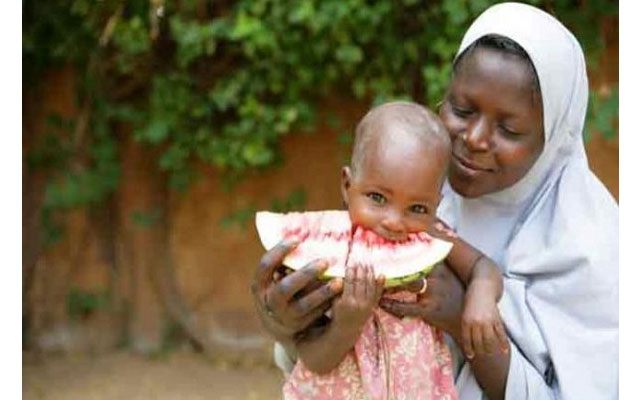
Image:http://justearthnews.com/
Support Our Journalism
We cannot do without you.. your contribution supports unbiased journalism
IBNS is not driven by any ism- not wokeism, not racism, not skewed secularism, not hyper right-wing or left liberal ideals, nor by any hardline religious beliefs or hyper nationalism. We want to serve you good old objective news, as they are. We do not judge or preach. We let people decide for themselves. We only try to present factual and well-sourced news.
Support objective journalism for a small contribution.