Veto power more appropriate with a committee than an individual : RBI Governor
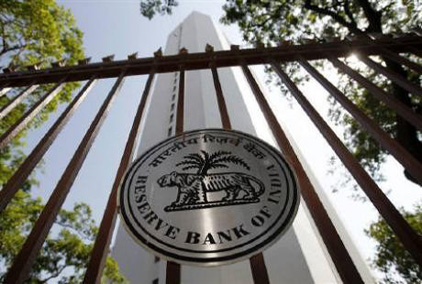
He also said there are no differences between RBI and the government and the veto power should rather be with a committee than one individual to decide the key rate.
"Currently, the situation is governor has a veto, that is, effectively all advice is only advice and ultimately decision is Governor's. So, if we continue to retain a veto, it doesn't change the current situation. It maintains the status quo. That is something to keep in mind," Rajan said.
"Studies show that a monetary policy panel's decision is better than those of an individual. Spreading the responsibility can reduce external and internal pressure on an individual," he added.
A draft legislation, published last month for public comments, called for the creation of an interest rate-setting committee; it also removed a reference to the central bank governor's veto power, and permitted the government to appoint more than half of its members.
Under the present system, the Reserve Bank Governor is appointed by the government, but controls monetary policy and has veto power over the existing advisory committee of RBI members and outside appointees that sets rates.
There were speculations of a brewing tension between Union Finance Minister Arun Jaitley and Rajan over the issue.
The RBI Governor, however, said the central bank has reached a "broad understanding" with the government on the composition of the monetary policy committee and what the governor's power would be.
The new committee should ensure the "structure and continuity" in monetary policy, he added.
Rajan said the government has the right to give directions and tell the central bank what it should do, but that direction has never been given in the history of RBI.
"De facto the RBI is independent," Dr Rajan said.
Support Our Journalism
We cannot do without you.. your contribution supports unbiased journalism
IBNS is not driven by any ism- not wokeism, not racism, not skewed secularism, not hyper right-wing or left liberal ideals, nor by any hardline religious beliefs or hyper nationalism. We want to serve you good old objective news, as they are. We do not judge or preach. We let people decide for themselves. We only try to present factual and well-sourced news.