21st KIFF – The winners take them all
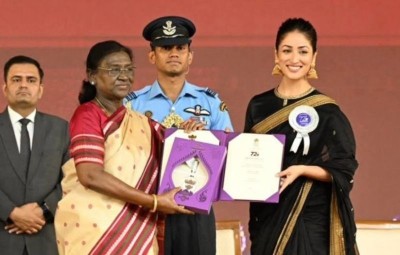
The two new awards instituted this year by the KIFF were – one for the best documentary and one was a critic’s award for the best film in the Indian Selection which included three Bengali films. Colombian filmmaker Libia Stella Gomez won the coveted Golden Royal Bengal Tiger Award for best woman director for the film Ella which narrates the tale of an old couple who get estranged followed by the death of the wife Gomez who received a cash prize of Rs.21 lakh along with the trophy for "Ella", said that there were only five women directors in her country.
The Hungarian film The Wednesday Child directed by Lili Horvath won the Best Film Trophy and the prize of Rs.51 lakh. It is a moving, slow-paced account of the struggles of a dysfunctional 19-year-old girl who is brought up in an orphanage and is forced to keep her four-year-old mute child in the same orphanage while she struggles to gain custody. The Wednesday Child is the director’s first feature film.
Yemen's "I Am Nojoom, Age 10 And Divorced" received special mention from the jury headed by veteran actress Sharmila Tagore who showered accolades on the woman director Khadija Al-Salami who took courage in her hands to make a powerful political statement on the forced marriage of small girls to much older men because her family is steeped in poverty and the dowry the marriage brings to her parental family helps a bit. But her life changes for the worse because she is turned into a slave in every sense and her perpetual situation of rape is legitimized by her marriage and socially initiated and accepted by her immediate parental family.
The Jury for the International Competition Section for Best Women Director was chaired by Sharmila Tagore and the others were – the well-known Chinese-American actress Bai Ling, Polish director Filip Marczewski, Israeli filmmaker Samuel Maoz and Sri Lankan actress Swarna Mallawarachchi who had the honour of a retrospective of her films organized by KIFF some years ago.
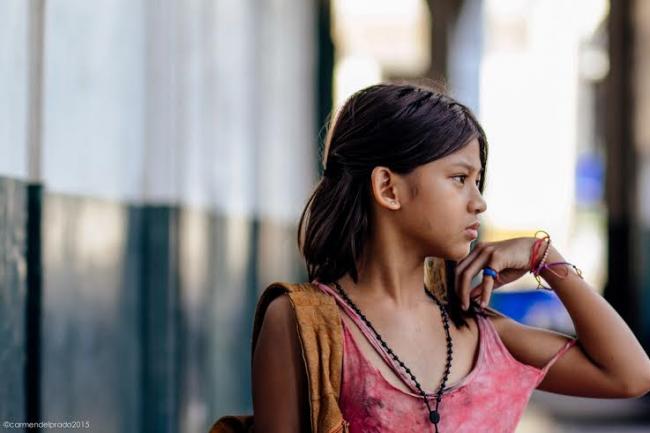
"Blanka" (Japan, the Philippines and Italy) which was the inaugural film directed by Kohki Hasei won the NETPAC (Network for the Promotion of Asian Cinema) award. It is a moving tale about eleven-year-old Blanka who begs and steals on the streets of Manila and suddenly decides to buy a mother who can give her a good life. But her life is a no-exit situation as it turns out.
The Indian entry "Phum Shang" directed by Manipuri filmmaker Haobam Paban Kumar took away the 'best documentary' prize. The film, set in picturesque Loktak Lake, an unique freshwater water body, tells the tale of the traditional fishing community inhabiting the lake and has lived for centuries on the floating Phumdis ( bio mass). The lake and its natural resources were their main source of sustenance and life. The 52-minute film touchingly captures people being uprooted from their “way of life” in Loktak Lake and its adjoining areas in south west, Manipur.
Randi Kuripukkal also from India won the best short film honour while Last Page in Kannada won Indian Film Critics’ Association Award.
(Report by Shoma A. Chatterji)
Support Our Journalism
We cannot do without you.. your contribution supports unbiased journalism
IBNS is not driven by any ism- not wokeism, not racism, not skewed secularism, not hyper right-wing or left liberal ideals, nor by any hardline religious beliefs or hyper nationalism. We want to serve you good old objective news, as they are. We do not judge or preach. We let people decide for themselves. We only try to present factual and well-sourced news.
Support objective journalism for a small contribution.