 China BRI
China's BRI project facing discontent across the globe
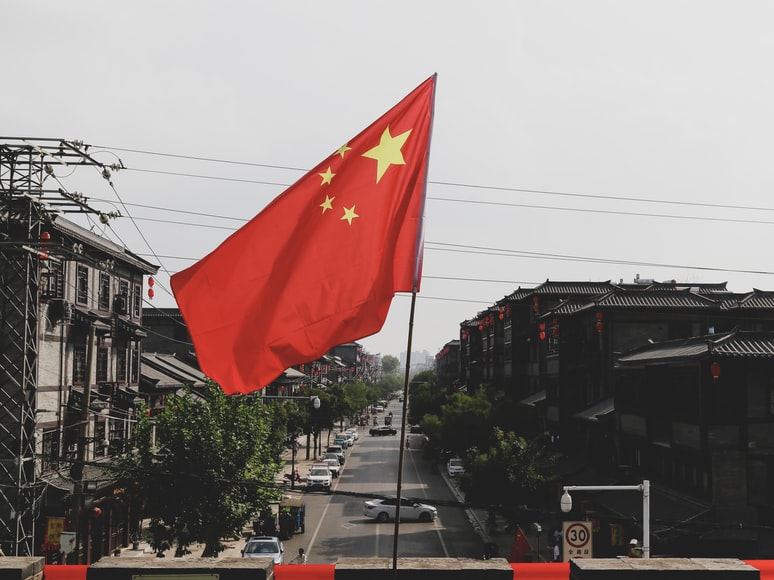
Beijing: China, a nation which is trying to impose serious economic control over numerous countries with its policies, is increasingly facing “BRI (Belt and Road Initiative) backlash” in a number of countries across Africa, Asia, Latin America, and Central & Eastern Europe, media reports said.
With an aim to securing energy and natural resources that China lacks in sufficient quantities at home, and maximizing investment returns on surplus dollars and euros, China has rapidly scaled up the provision of foreign currency-denominated loans to resource-rich countries that suffer from capital deficiency and inadequate technological capacity, reports International Forum for Rights and Security (IFFRAS).
China provides loans for infrastructure development which are collateralized against future commodity export receipts to minimize repayment and fiduciary risk and priced at relatively high interest rates (nearly 6 percent).
According to Aiddata, 35 percent of the BRI infrastructure project portfolio has encountered major implementation problems such as corruption scandals, labor violations, environmental hazards, and public protests, IFFRAS reports.
A Chinese project in Europe particularly in Serbia (Copper mining) is facing flak from environmentalists as it would pollute land and water.
Similarly in Georgia, local workers are complaining about low pay and dangerous working conditions in the Tbilisi-Batumi railway project. In Greece also public protests were witnessed due to privatization of the ports and long working hour concerns.
In the case of the Belgrade metro system, transparency issues remain because there was no public tender placed. Apart from it, the Belgrade-Budapest railway line poses environmental risk, as it passes through a natural conservation area, which would ultimately affect wetlands and swamps and Danube river water.
In view of the Tuzla coal power plant (Bosnia and Herzegovina) the environmental damage and pollution is eminent.
Some low-to-middle-income countries (LMIC) policymakers have canceled or renegotiated four high-profile BRI projects because major changes in public sentiment have made it difficult to maintain close relations with China, IFFRAS said.
Support Our Journalism
We cannot do without you.. your contribution supports unbiased journalism
IBNS is not driven by any ism- not wokeism, not racism, not skewed secularism, not hyper right-wing or left liberal ideals, nor by any hardline religious beliefs or hyper nationalism. We want to serve you good old objective news, as they are. We do not judge or preach. We let people decide for themselves. We only try to present factual and well-sourced news.
Support objective journalism for a small contribution.